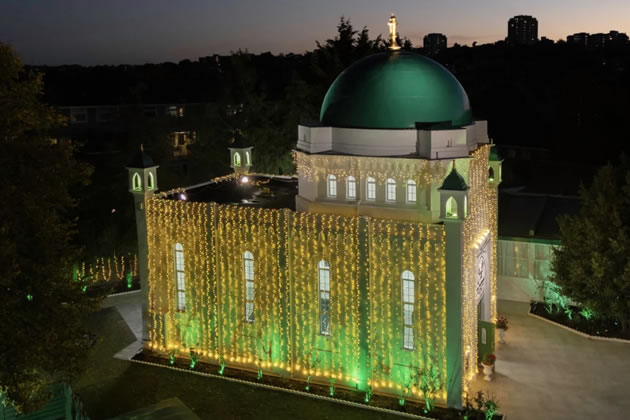
The history of London’s Fazl Mosque is inseparable from the story of the Ahmadiyya Muslim Community in Britain. The community’s first missionary to the UK, Chaudhry Fateh Muhammad Sial, arrived in 1913, and ever since, London has served as an active centre for the community in portraying the true peaceful message of Islam.
As the community grew, the need for a dedicated place of worship became evident. The Second Khalifa, Hazrat Mirza Bashiruddin Mahmud Ahmad, instructed Mr Sial to purchase a house with land where a mosque could be built. In August 1920, a one-acre site in Southfields, South-West London, was acquired, and that site was destined to become home to London’s first mosque.
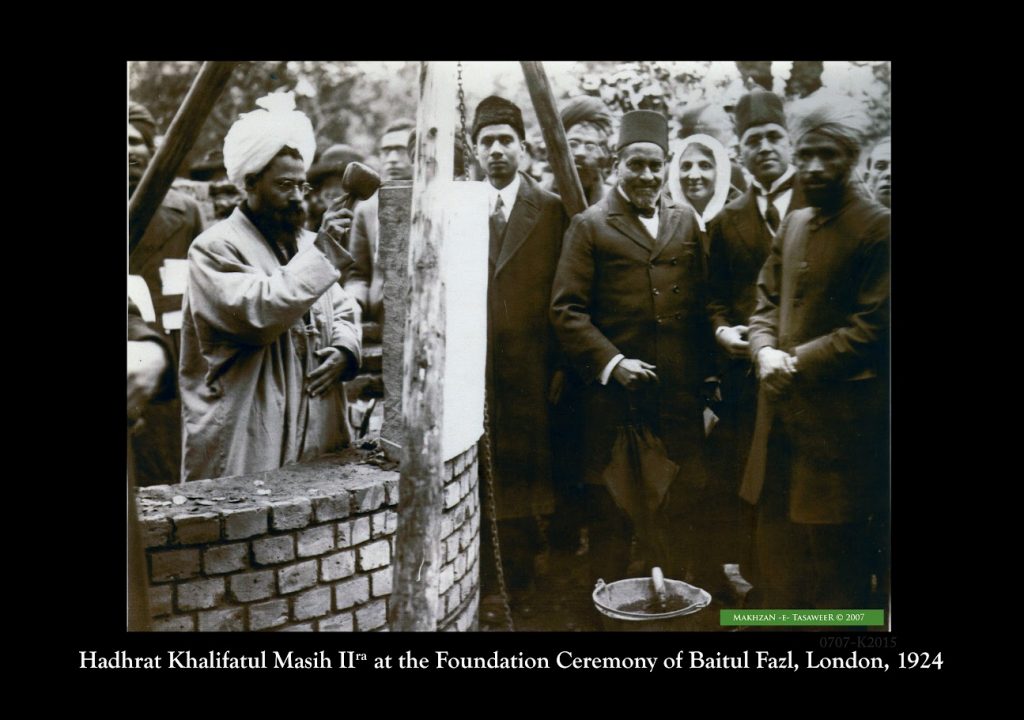
The foundation stone was laid by Hazrat Musleh Maud (ra) on 19 October 1924 during his historic visit to London, when he was invited to address the Conference of Religions of the Empire at the Imperial Institute. Construction began in September 1925 and was completed ten months later, at a cost of £6,223, financed entirely by the donations of Ahmadi Muslim women in Qadian. The mosque, accommodating 150 worshippers, was named “Fazl Mosque” by the Hazrat Musleh Maud (ra), “Fazl” meaning Grace.
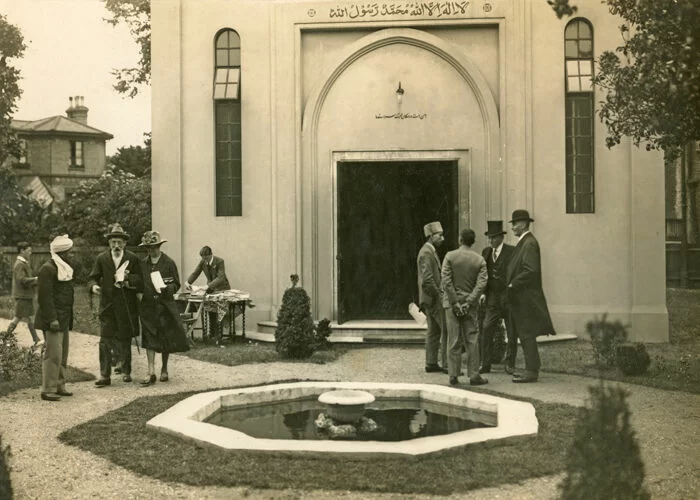
Khan Bahadur Sheikh Abdul Qadir, ex-Minister of the Punjab Legislative Council, formally opened the mosque on 23 October 1926. Around 600 distinguished guests representing numerous countries, along with local MPs and other dignitaries, attended the ceremony, which was widely reported in the press and even captured on Pathé newsreels shown in cinemas across the country. The mosque’s first Imam was Maulana Abdul Rahim Dard, and its first muezzin was Mr Bilal Nuttall.
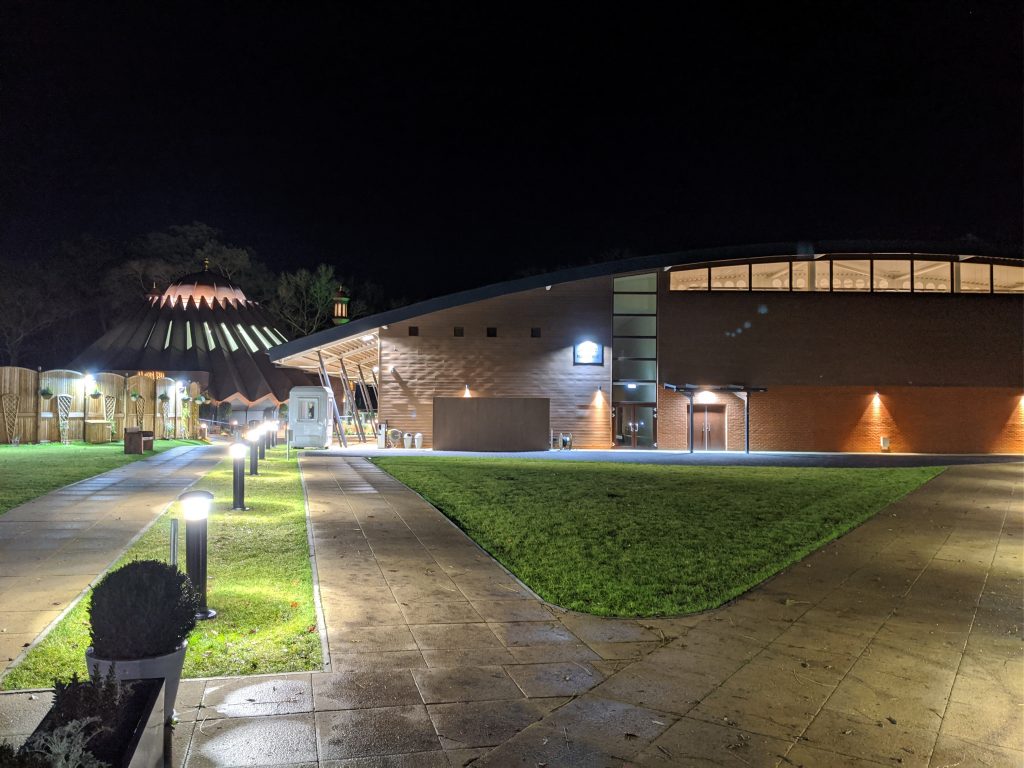
Over the decades, the Fazl Mosque took on even greater significance. In 1984, after Pakistan’s Ordinance XX prohibited Ahmadi Muslims from any public expression of the Islamic faith, Hazrat Mirza Tahir Ahmad (rh), migrated to London, and the mosque became the de facto international headquarters of the worldwide Ahmadiyya Muslim Community, a role it held until the headquarters moved to Islamabad, Tilford in 2019, under the auspices of Hazrat Mirza Masroor Ahmad, the fifth Khalifa.
Among its many distinguished visitors over the years have been Sir Chaudhry Muhammad Zafarullah Khan (Pakistan’s first Foreign Minister and a President of the International Court of Justice), Prince Edward, Earl of Wessex, and the Archbishop of Canterbury, Justin Welby.
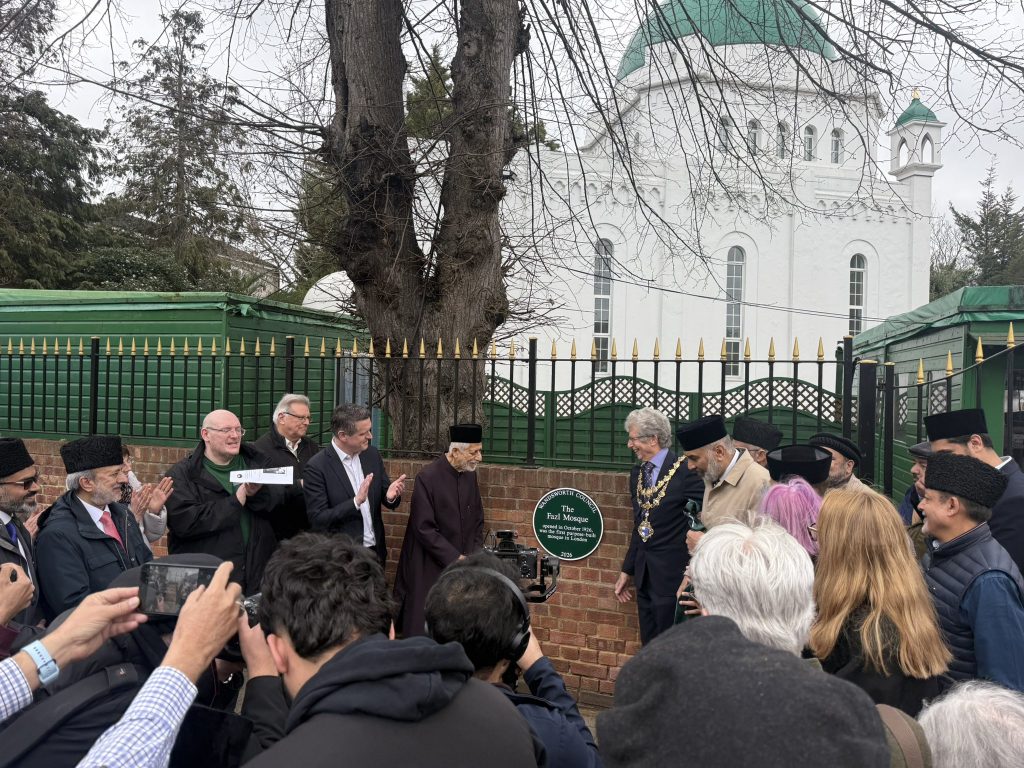
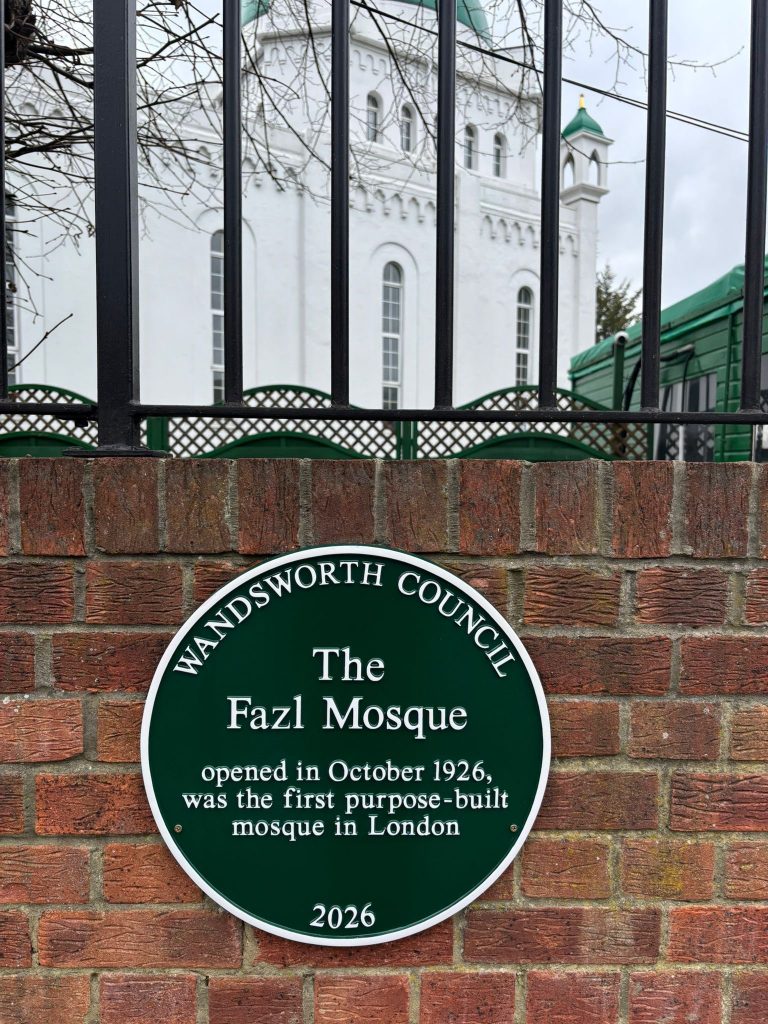
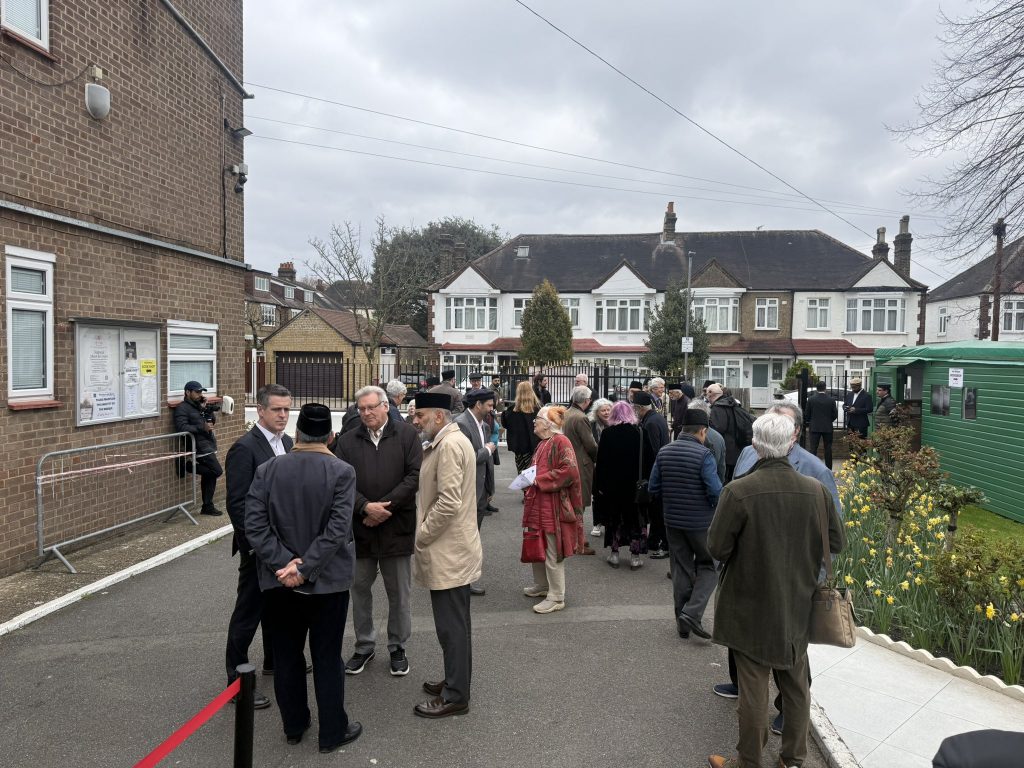
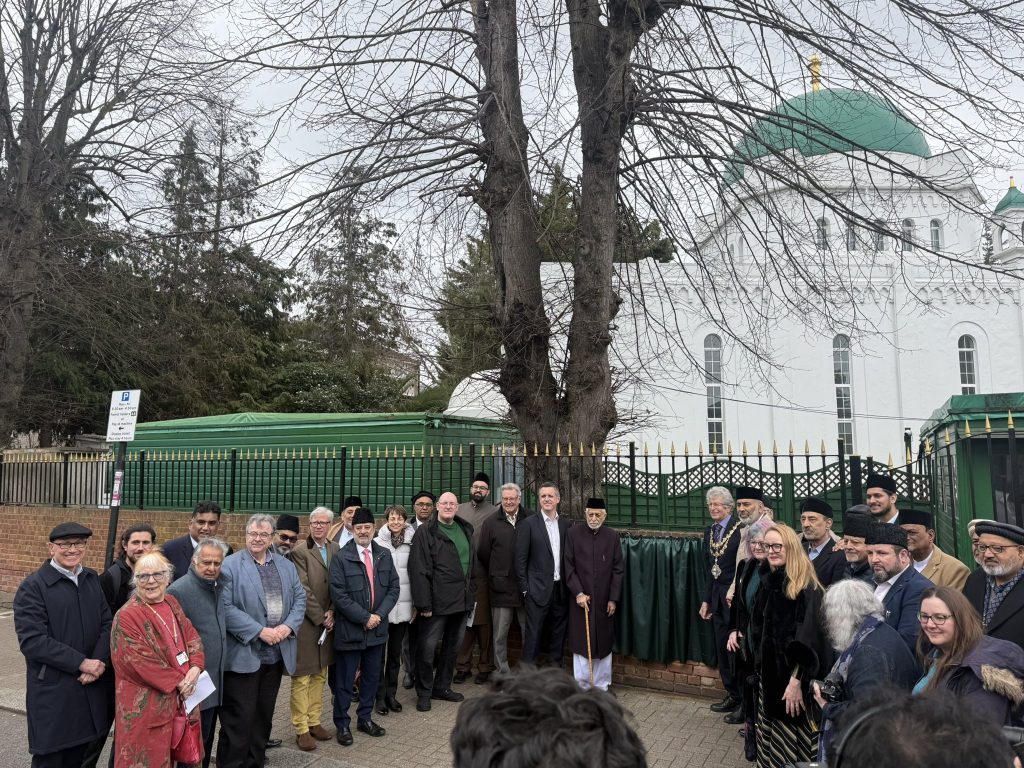
Now, almost exactly a century after that grand opening, this historic mosque’s place in London’s heritage has been formally honoured. On 24 March 2026, a green heritage plaque was unveiled at the Fazl Mosque by Wandsworth Council, in a ceremony attended by the Mayor of Wandsworth, Councillor Jeremy Ambache, the Leader of the Council, Councillor Simon Hogg, and other distinguished guests and community members. The plaque, part of Wandsworth’s Green Plaque scheme funded by the National Heritage Lottery Fund during the borough’s year as the Mayor’s London Borough of Culture, recognizes the mosque’s historic significance as London’s first purpose-built mosque and its enduring contribution to British religious and civic life.