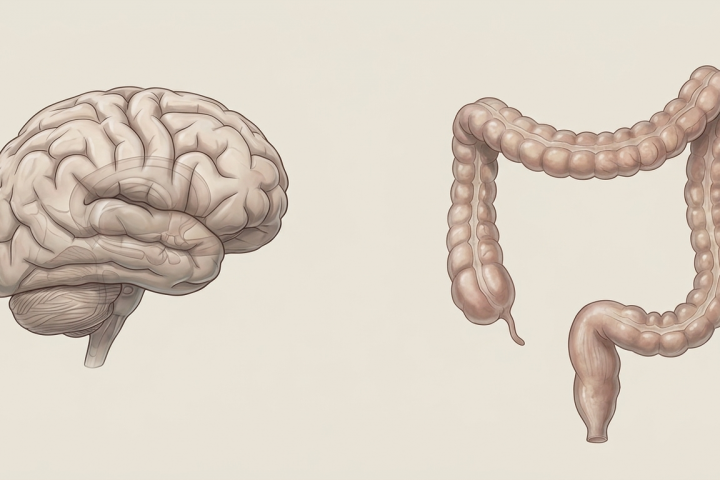
Artificial intelligence (AI) is shaping the next generation of doctors and transforming the way they diagnose and treat diseases. AI means computers learning from the data using smart programs, reasoning, and helping make decisions. In medicine, early disease detection is one of the most exciting uses of AI; it can detect illnesses before symptoms appear or when they are still small [1]. This can save lives, reduce suffering, and even lower healthcare costs. AI in medicine is revolutionary, redefining the future of healthcare.
What Is AI in Healthcare?
AI is a type of technology that learns from data and recognizes patterns. In healthcare, it analyzes a large pool of medical data, such as scans, test results, and health records, and identifies patterns that may not be obvious to humans. The patterns help doctors find disease earlier and make better, more informed treatment decisions [2].
Why Early Detection Is Important
Early detection is finding an illness before it gets serious [3]. When doctors find an illness early, treatment works better, people live healthier and longer lives, the development of more serious diseases can be prevented, and both time and money are saved.
AI helps spot problems sooner than traditional methods, which often rely on symptoms that may only appear later [4].
AI’s Role in Early Detection
AI can help in many ways. Some key areas are as follows.
Medical Imaging
AI can analyze a large number of X-rays, CT scans, MRIs, and skin photos to detect diseases that are too small or subtle for the human eye to notice [5]. For example, AI systems can find early signs of cancer, such as lung nodules in CT scans, faster and more accurately than humans alone. Healthcare systems such as the NHS have now started using AI to screen skin moles for cancer [6].
Heart and Cardiovascular Detection
AI can analyze heart sounds, heart rate data, and ECGs from wearable devices like smartwatches. This can help doctors detect signs of early heart problems. An AI stethoscope can detect signs of primary heart conditions in about 15 seconds [7].
Brain and Neurological Diseases
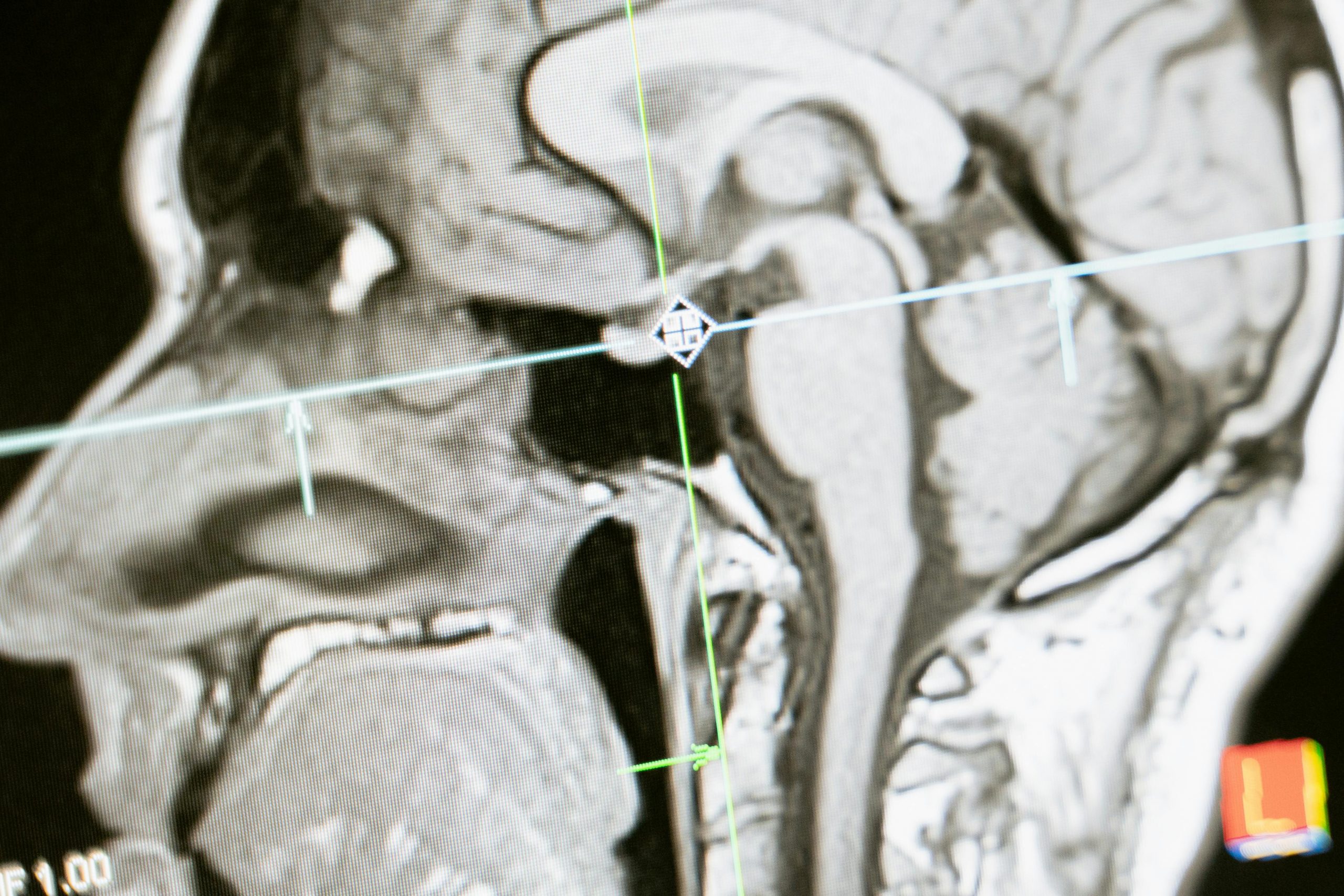
Diseases like Alzheimer’s change the brain long before memory problems begin. AI combined with MRI machines can find such brain changes in early stages, giving doctors more time to plan [8].
Chronic Diseases
Chronic diseases are complex to catch early and don’t go away easily. Specific AI models can now detect early warning signs in data, such as blood pressure and lifestyle patterns. AI can predict conditions such as heart disease and diabetes before they become severe [9]. In India, an AI model predicted kidney disease with 99% accuracy in a high-risk region [10].
Benefits
Artificial intelligence is emerging as a valuable tool for managing and preventing chronic diseases. Research has shown that AI is not only helping doctors detect minor changes that may highlight underlying issues but also providing them with effective treatment based on a patient’s genetic history, lifestyle, and symptoms. It has put its immense influence on the detection, diagnosis, and treatment of cardiovascular diseases, cancers, respiratory problems, and diabetes.
Moreover, AI is improving surgical precision, leading to fewer complications and creating monitors that issue proactive alerts for worsening conditions. In short, AI encompasses a spectrum of technologies, thereby revolutionizing the healthcare system.
Drawbacks and Challenges
Along with the numerous advantages of AI, there are ethical, regulatory, and safety concerns [11]. AI models work on patients’ data, increasing the risk of data breaches, malicious use, and the manipulation of confidential information. It can raise fairness concerns if its model is trained on data from a single population and may not work well for all groups of people. It can also give false alarms (false positives) or miss disease (false negatives).
AI systems aren’t programmed step by step; they’re trained by exposing neural networks to massive amounts of data. Even the experts do not fully understand how it fully works, and while they can train these systems, they do not know how they think. Once a system exceeds human-level intelligence, there’s no reliable way to predict or restrain every behaviour.
Even with these issues, experts believe AI to be part of the future of medicine, not to replace doctors, but to support them.
Conclusion
AI is transforming how diseases are found, treated, and how we see medicine today. It’s proving to help spot illnesses early, often before symptoms appear. Early detection means better care, fewer complications, and more lives saved. From medical imaging to wearable devices and intelligent data analysis, AI is opening new doors in healthcare. As research continues, AI tools could become more accurate, safer, and more widely used worldwide.
There’s still a lot of work to be done before we can truly let artificial intelligence dictate lives. Over-reliance on AI is detrimental to the growth of human intelligence. AI has become the backbone of trillion-dollar companies, and the line between profitability and what’s beneficial for humanity seems to be at odds. As technology reshapes healthcare, the true measure of progress will be whether humanity remains at its core. What is to become when humanity is stripped away from the very foundation and some of the core principles of healthcare?
References
1. Research Corridor – The Role of Artificial Intelligence in Early Disease Detection
https://www.researchcorridor.org/index.php/mjh/article/view/52
2. Mittal, M. – AI in Healthcare: Early Diagnosis of Diseases (Medium)
https://medium.com/@mehakmittal895/ai-in-healthcare-early-diagnosis-of-diseases-101a2ceb5e06
3. PubMed – Role of AI in Early Identification and Risk Evaluation of Diseases
https://pubmed.ncbi.nlm.nih.gov/40316361/
4. IJSRA – Importance of Early Disease Detection Using AI
https://journalijsra.com/sites/default/files/fulltext_pdf/IJSRA-2025-0731.pdf
5. HSI – AI in Medical Imaging for Early Disease Detection
https://hsi-eg.co/the-role-of-ai-in-the-early-detection-of-diseases/
6. The Times – NHS Uses AI for Instant Skin Cancer Checks
https://www.thetimes.co.uk/article/global-first-as-nhs-hospital-uses-ai-for-instant-skin-cancer-checks-3clspdmk0
7. The Guardian – AI Stethoscope Detects Heart Disease
https://www.theguardian.com/technology/2025/aug/30/doctors-ai-stethoscope-heart-disease-london
8. Times of India – AI-Based MRI Scans for Alzheimer’s Detection
https://timesofindia.indiatimes.com/city/lucknow/kgmu-uses-ai-based-mri-scans-for-early-detection-of-alzheimers/articleshow/124027961.cms
9. Preprints – AI Models for Chronic Disease Prediction
https://www.preprints.org/manuscript/202501.2144/v1
10. Times of India – AI Predicts Kidney Disease with 99% Accuracy
https://timesofindia.indiatimes.com/city/hyderabad/ai-model-predicts-kidney-disease-with-99-accuracy-in-aps-uddanam/articleshow/125844684.cms
11. GJEAIC – Ethical and Practical Challenges of AI in Healthcare
https://gjeac.com/index.php/GJEAIC/article/view/1