- Frailty in older adults leads to a progressive decline in the ability to perform everyday tasks such as bathing, dressing, and walking, creating a cycle of reduced activity, further physical deterioration, and increasing dependency on caregivers.
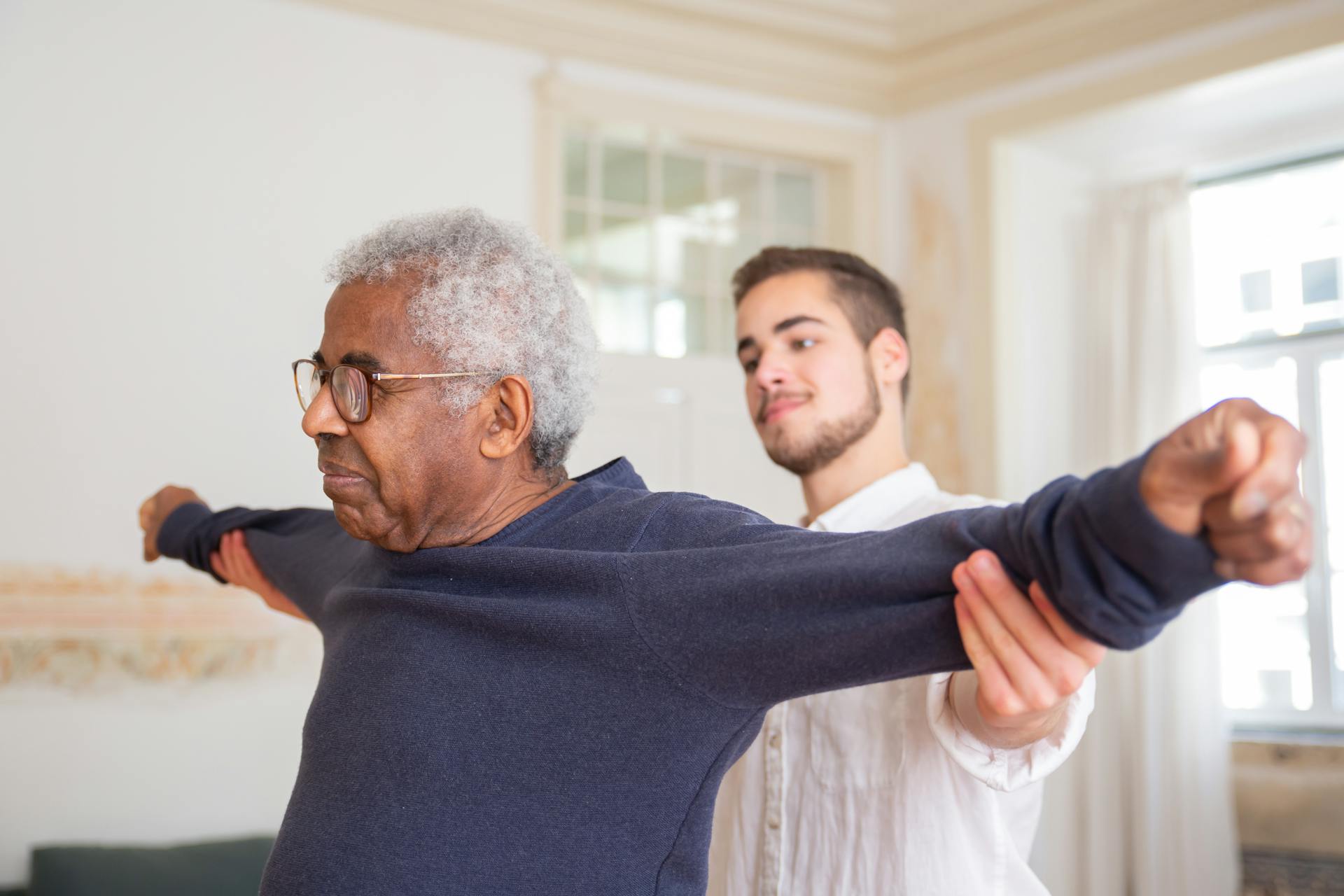
- Physiotherapy directly addresses the physical drivers of this decline through individualized programmes targeting muscle strength, balance, gait, endurance, and pain management, enabling frail older adults to regain functional independence in daily living.
- Beyond physical gains, physiotherapy delivers psychological benefits, caregiver relief, and health system savings by reducing falls, preventing hospitalizations, and supporting older adults to age safely and with dignity in their own homes.
The Role of Physiotherapy in Improving Activities of Daily Living in Frail Older Adults. The global increase in life expectancy has resulted in a growing population of older adults living with frailty. Frailty is a complex, multidimensional health condition characterized by reduced strength, endurance, and physiological reserve, increasing vulnerability to adverse health outcomes. Frail older adults are at increased risk of falls, disability, hospitalization, and dependency. One of the most significant consequences of frailty is a decline in the ability to perform activities of daily living, including bathing, dressing, eating, toileting, transferring, and independent mobility. Loss of independence in these fundamental activities negatively affects quality of life and increases reliance on caregivers. Physiotherapy plays a crucial role in addressing these challenges by improving physical function, promoting independence, and enhancing overall well-being in frail older adults.
Frailty develops as a result of age-related changes affecting multiple body systems. Common features include musculoskeletal weakness, impaired balance, reduced gait speed, joint stiffness, chronic pain, and fatigue. These changes significantly limit mobility and make everyday tasks increasingly difficult. For example, reduced lower-limb strength can make standing from a seated position challenging, while impaired balance increases the risk of falling during routine activities such as walking or bathing. As a result, frail older adults may reduce their activity levels due to fear of falling or pain, which further accelerates physical decline. Without appropriate intervention, this cycle often leads to increased dependency and, in many cases, admission to long-term care facilities.
Physiotherapy is an essential component of care for frail older adults as it focuses on restoring and maintaining physical function. Physiotherapists conduct comprehensive assessments of strength, balance, mobility, endurance, posture, and functional ability to develop individualized treatment programmes. These interventions are tailored to each person’s abilities and limitations, ensuring safety while promoting gradual and sustainable improvement. Physiotherapy can be delivered across various settings, including hospitals, rehabilitation units, long-term care facilities, community programmes, and the home. This flexibility allows interventions to be closely aligned with an individual’s environment and daily routine, increasing relevance and effectiveness.
A key benefit of physiotherapy for frail older adults is improved muscle strength. Age-related muscle loss has a profound impact on the ability to perform activities of daily living. Tasks such as standing from a seated position, climbing stairs, and walking require adequate lower-limb strength. Evidence demonstrates that progressive resistance training can significantly improve muscle strength and functional performance, even in very old and frail individuals. As muscle strength improves, older adults become more capable of performing transfers, maintaining posture, and ambulating independently. These functional gains directly support independence in daily activities and reduce dependence on caregivers, contributing to improved confidence and autonomy.
Impairments in balance and gait are also common among frail older adults and are major contributors to falls. Falls represent a leading cause of injury, fear, and loss of independence in this population. Even in the absence of injury, fear of falling can result in activity restriction and further physical deterioration. Physiotherapy addresses these issues through targeted balance training and gait re-education. Balance exercises enhance postural control, coordination, and stability, while gait training improves walking speed, stride length, and overall confidence. Exercise-based physiotherapy interventions have been shown to reduce fall risk and improve mobility. Improved balance and walking ability enable frail individuals to move more safely within their homes, supporting independence in activities such as toileting, bathing, and household mobility. Chronic pain is another significant factor limiting daily function in frail older adults. Conditions such as osteoarthritis, osteoporosis, and degenerative joint disease are highly prevalent in later life and often result in persistent pain. Pain discourages movement, restricts physical activity, and interferes with the performance of daily tasks. Physiotherapy provides effective non-pharmacological pain management through therapeutic exercise, manual therapy, and education on posture and movement strategies. By reducing pain and improving joint mobility, physiotherapy enables older adults to engage more comfortably in daily activities, thereby supporting greater functional independence and reducing reliance on medication.
Reduced endurance and early fatigue are also hallmark features of frailty. Many older adults report that routine activities are exhausting, which limits participation in self-care, household tasks, and social engagement. Physiotherapy programmes incorporating low-intensity aerobic exercise help improve cardiovascular fitness and stamina. Activities such as walking programmes, stationary cycling, or water-based exercise can improve endurance and reduce fatigue. Enhanced endurance allows older adults to perform activities of daily living with less effort and contributes to the prevention of further physical decline, supporting sustained participation in meaningful activities. In addition to physical benefits, physiotherapy provides important psychological advantages for frail older adults. Loss of independence is frequently associated with depression, anxiety, and reduced self-esteem. Many individuals experience frustration and a sense of helplessness when they are unable to manage daily tasks independently. Participation in physiotherapy can help restore confidence and improve mood by enabling individuals to regain control over their physical abilities. Improved mobility and independence also encourage greater social participation, reducing feelings of isolation and loneliness and enhancing overall mental well-being.
Education is a central component of physiotherapy intervention. Physiotherapists provide education to older adults and caregivers on safe movement techniques, appropriate use of assistive devices, energy conservation strategies, and fall prevention measures. Home exercise programmes are prescribed to help maintain functional gains achieved during supervised therapy sessions. Education empowers older adults to take an active role in managing their health and supports long-term independence. Advice on environmental modifications, such as removing trip hazards, improving lighting, and installing grab rails, further reduces fall risk and promotes safe performance of daily activities.
Physiotherapy interventions also provide benefits at the level of caregivers and health care systems. Improved independence in daily activities reduces caregiver burden, contributing to improved caregiver well-being and sustainability of care. From a health care perspective, physiotherapy has been shown to reduce hospital admissions, shorten lengths of stay, and delay or prevent the need for long-term institutional care. Preventing falls and functional decline also reduces health care costs and supports ageing in place, which aligns with the preferences of most older adults.
Home-based and community physiotherapy programmes are particularly beneficial for frail older adults with limited mobility. Delivering therapy in the home allows exercises to be directly linked to meaningful daily activities, enhancing relevance and adherence. Community-based programmes promote regular physical activity and provide opportunities for social interaction, further improving quality of life. Evidence suggests that these programmes improve mobility, activities of daily living performance, and overall functional ability in frail older populations.
Despite its clear benefits, physiotherapy for frail older adults must be delivered with caution. Frailty is often accompanied by multiple chronic conditions, cognitive impairment, and fear of injury. Interventions must therefore be individualized, closely monitored, and progressed gradually. A person-centred approach that respects individual goals, values, and preferences is essential. Collaboration within multidisciplinary teams, including nurses, occupational therapists, and physicians, ensures comprehensive care and optimizes outcomes.
Physiotherapy plays a vital role in improving the ability of frail older adults to perform activities of daily living. Through targeted interventions aimed at enhancing strength, balance, mobility, endurance, and pain management, physiotherapy promotes independence, reduces fall risk, and improves quality of life. The psychological and educational components further empower older adults to remain active and engaged in daily life. As the ageing population continues to grow, physiotherapy will remain an essential element of care for frail older people, supporting safe, independent, and dignified ageing.
References
Liu, C. J., & Latham, N. K. (2009). Progressive resistance strength training for improving
physical function in older adults. Cochrane Database of Systematic Reviews,
CD002759.
Sherrington, C., Fairhall, N., Wallbank, G., Tiedemann, A., Michaleff, Z. A., Howard,
K., & Lamb, S. E. (2017). Exercise for preventing falls in older people. British
Journal of Sports Medicine, 51(24), 1750–1758.
Cadore, E. L., Rodríguez-Mañas, L., Sinclair, A., & Izquierdo, M. (2014). Effects of
different exercise interventions on risk of falls, gait ability, and balance in frail older
adults. Rejuvenation Research, 16(2), 105–114.
Dent, E., Martin, F. C., Bergman, H., Woo, J., Romero-Ortuno, R., & Walston, J. D.
(2019). Management of frailty: Opportunities, challenges, and future directions. The
Lancet, 394(10206), 1376–1386.