Foundation stone ceremony marks a historic milestone for one of the oldest Jama’at in Canada
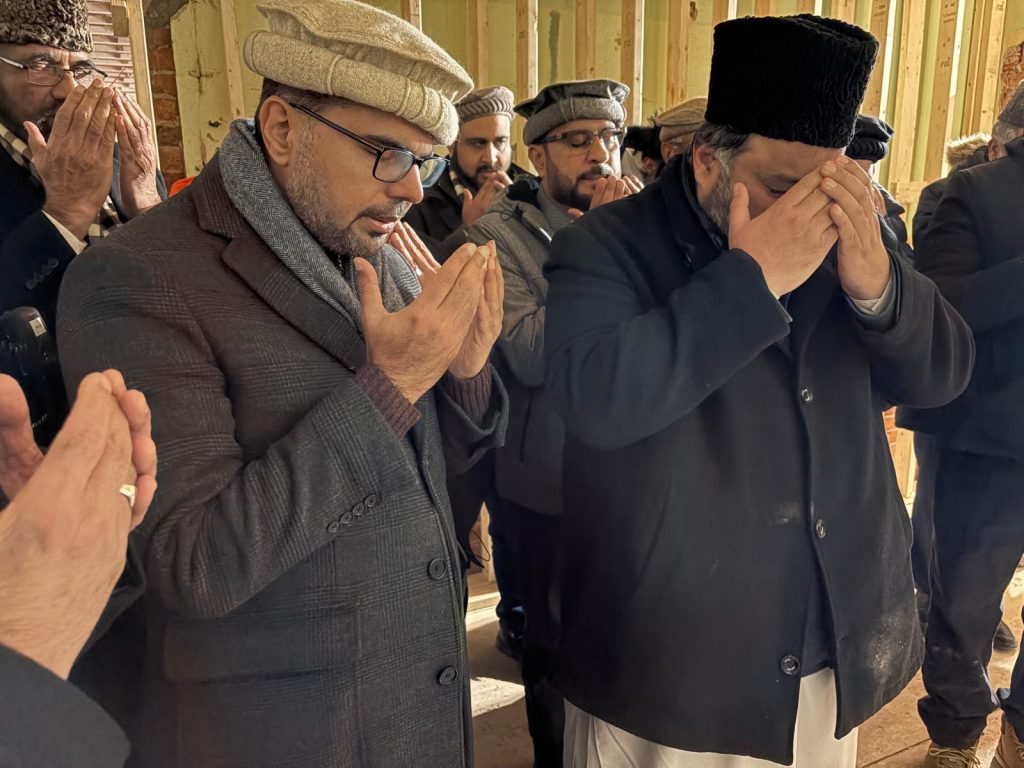
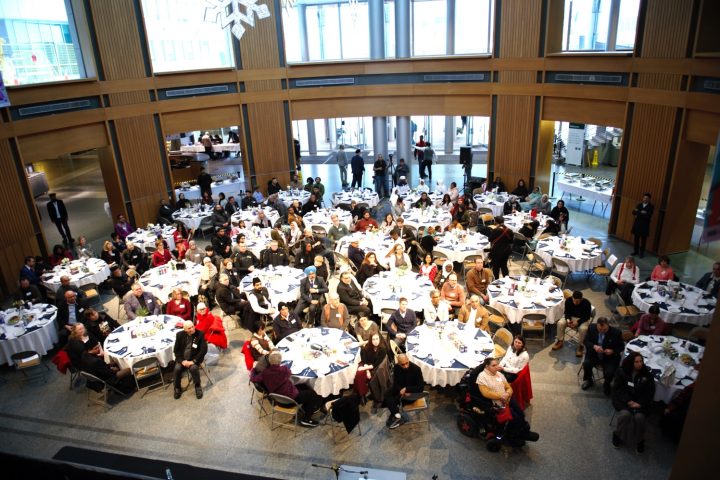
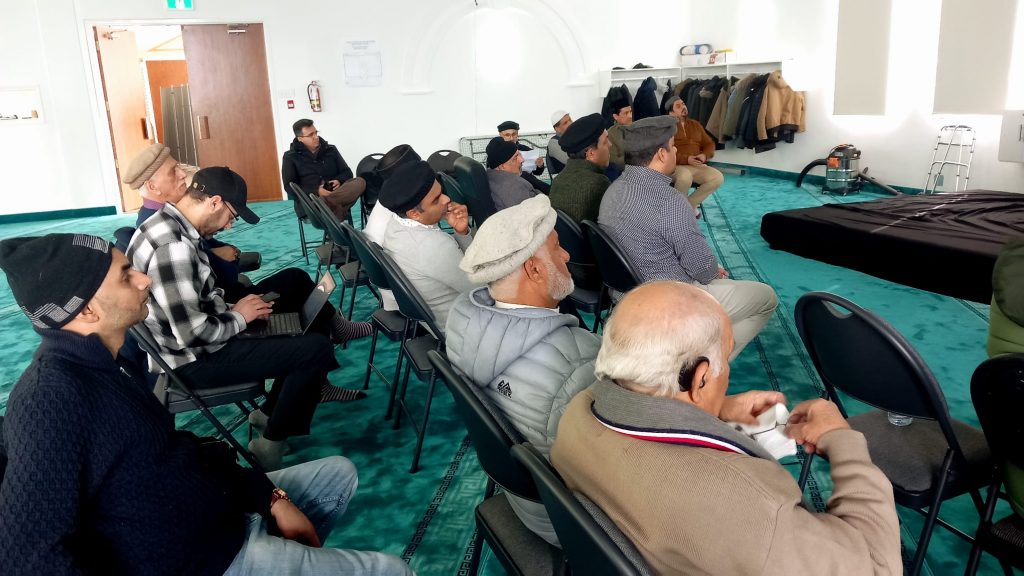
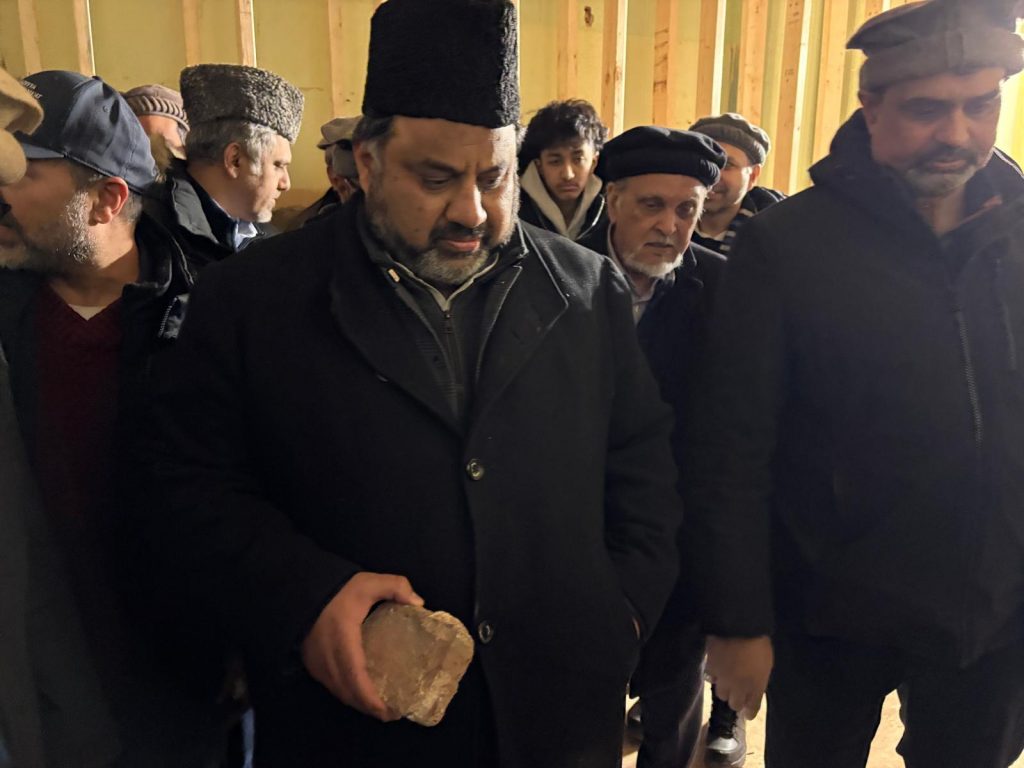
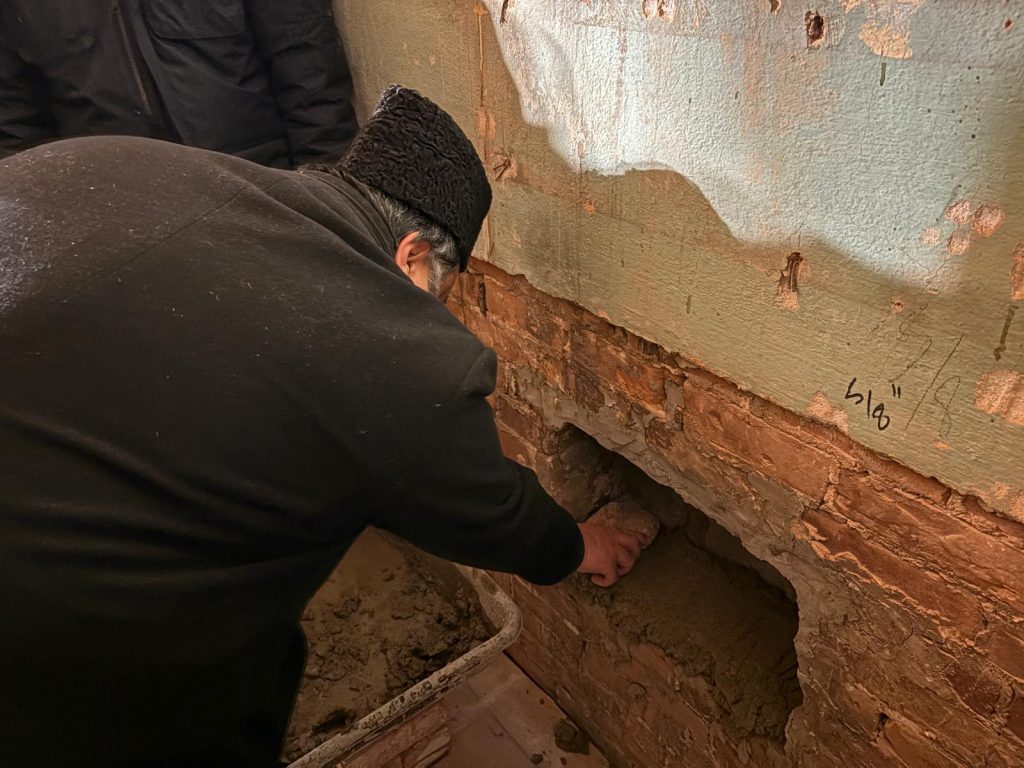
BRANTFORD, ON — More than 150 members of the Jama’at gathered inside the century-old St. John Anglican Church on a cold winter afternoon to witness a moment many had been anticipating for two years. The occasion was the foundation stone ceremony for Baitul Haleem, the name graciously bestowed by Huzoor (aba), who also sent a brick from the blessed city of Qadian to consecrate the occasion, connecting this new chapter in the Canadian history of Ahmadiyyat to its sacred origins.
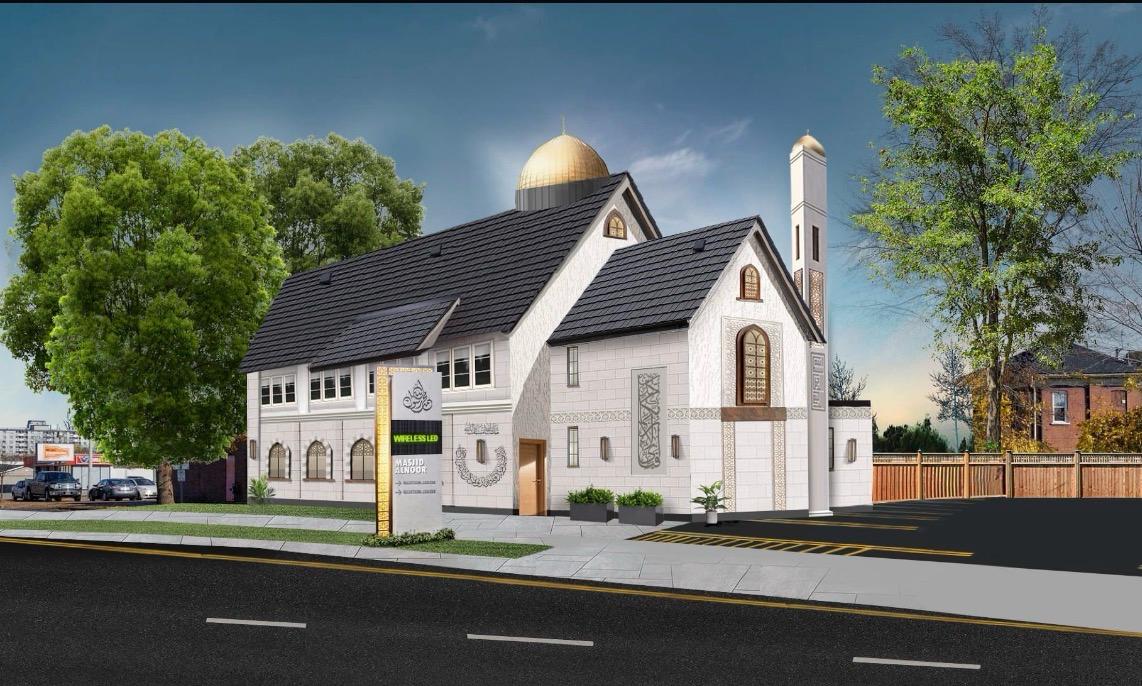
The church, which has stood for a hundred years in Brantford, was purchased by Majlis Khuddamul Ahmadiyya Canada. The conversion project will be a joint undertaking between the Jaidad department, AMTA and volunteers from MKAC, reflecting the community’s emphasis on intergenerational service. Once renovated, the 3,000 sq feet mosque will accommodate over 280 worshippers.
Brantford holds a special place in the history of Ahmadiyyat in Canada. It is the town where some of the earliest Ahmadis in Ontario resided. During the 1960s, the families of Manzoor ul Hassan Sheikh Sahib, Mirza Mushtaq Sahib, and Habibur Rahman Hafizadeh Sahib settled in Brantford, laying the foundations of what would become one of the oldest Jama’at in the country. The Brantford Jama’at also carries the rare distinction of having been visited in 1967 by Hazrat Sir Chaudhry Muhammad Zafarullah Khan (ra). It is also the hometown of Wayne Gretzky and the city where Alexander Graham Bell conducted the experiments that led to the invention of the telephone.
Built on Love, Not on Size
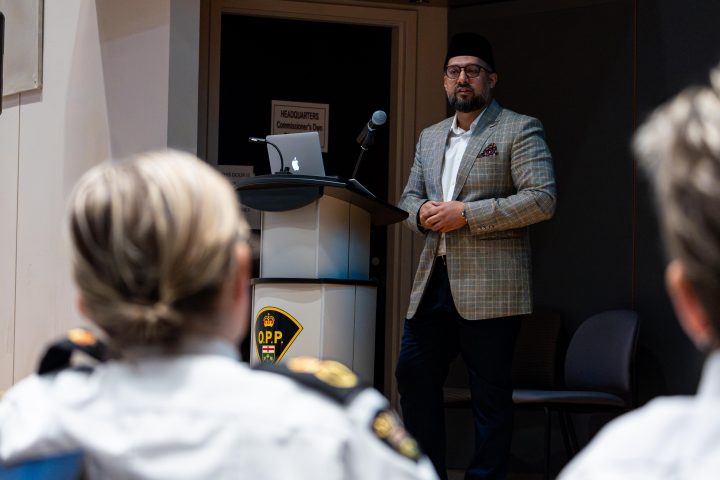
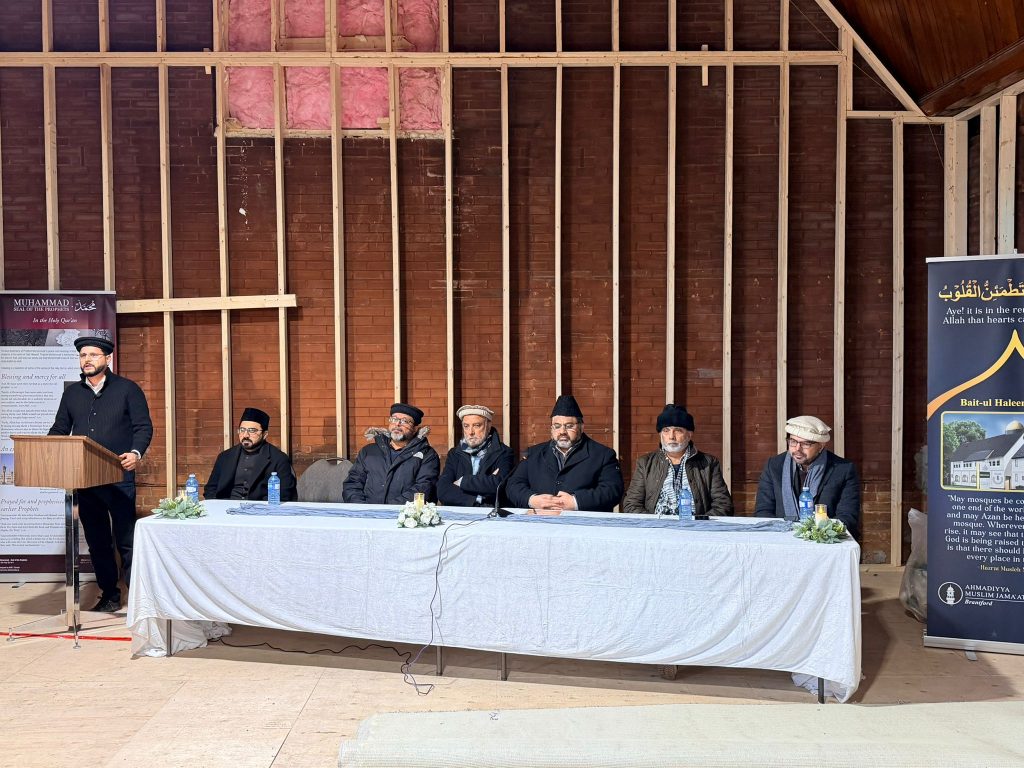
The keynote address, delivered by Missionary In-Charge, Respected Mubarak Ahmad Sohail Sharma Sahib, drew a direct line between the act of building a mosque and the love of Allah the Exalted. Respected Sharma Sahib noted that the occasion coincided with themes from a recent Friday sermon by Hazrat Khalifatul Masih V (aa), emphasizing the love of God, the love of the Holy Prophet (sa), and the inseparable bond between love and worship. It was this same love, he said, that had moved donors to give generously and volunteers to labour in the field so that others could attend in warmth and comfort.
Citing the Holy Prophet (sa), the Missionary In-Charge Sahib reminded the gathering that “whosoever builds a mosque in this world, Allah will build a house in paradise.” The size of the structure was immaterial. What mattered was the love of Allah and the purpose for which it was being built.
A Dual Mission
The Missionary In-Charge Sahib articulated the mosque’s purpose in Quranic terms. Allah the Almighty declares, “And I have not created the Jinn and Men but that they may worship Me” (51:57). The mosque exists, first and foremost, to fulfil this purpose. But drawing on the guidance of the Promised Messiah (as), who taught that to spread Islam in any place, a mosque should be built there, he described Baitul Haleem as “a source of light for others” through which the true message of Islam would reach the wider world.
Beyond Bricks and Mortar
Perhaps the most striking portion of the address was not about construction but about conduct. Respected Sharma Sahib cautioned against complacency, warning that the name and visibility of Baitul Haleem would not, by itself, be sufficient. The congregation was charged to “make it beautiful” through consistent worship and attendance, and to become living examples for children and youth. Good morals, he emphasized, would be the most powerful form of Tabligh. Non-Muslims would be drawn not by the building but by the character of the people who filled it, people bearing “the flag of true Islam, Ahmadiyyat, by following the teachings of the Holy Prophet (sa).”
Looking Ahead
The keynote address envisioned Baitul Haleem mosque as “a foundation stone for many more mosques” and “a foundation stone for many new converts who will come toward true Islam, Insha’Allah.” To the anticipating members, the National Secretary Jaidad stated that the interior of the project is expected to be completed by 30 June this year.
For the more than 150 people who gathered inside that hundred-year-old church, the message was unmistakable. A mosque is not defined by the age or grandeur of its walls. It is defined by the sincerity of the hearts that worship within them.