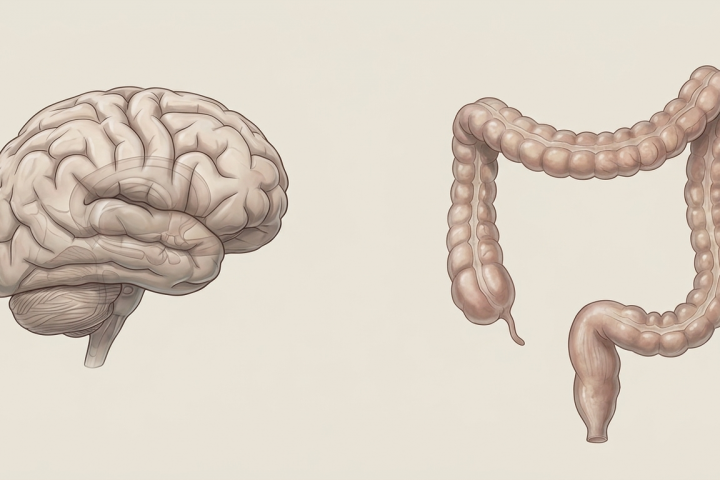
In today’s fast-paced world, eating has become increasingly rushed and distracted. Meals are often consumed while multitasking, leading to overeating, digestive discomfort, and a weakened awareness of the body’s needs. Mindful eating offers a meaningful alternative by encouraging individuals to slow down, be present, and engage consciously with food. This approach not only supports physical health but also aligns closely with Islamic teachings that emphasize moderation, gratitude, and balance in daily life.
The Holy Quran repeatedly reminds believers to approach food with restraint and awareness. Allah states, “Eat and drink, but do not be excessive; indeed, He does not love those who are excessive” [Al-A’raf, 7:32]. This verse provides a clear foundation for mindful eating by discouraging overconsumption and promoting moderation. Eating, from an Islamic perspective, is not simply about satisfying hunger but about maintaining balance and honouring the body as a trust from Allah.
Another Quranic directive deepens this awareness. Allah states in Surah Al-Baqarah, “O humanity! Eat from what is lawful and wholesome on the earth” [Al-Baqarah, 2:169]. The term tayub encompasses purity, cleanliness, and benefit, encouraging mindfulness not only in the quantity of food consumed but also in its quality and source. This guidance gently nudges individuals toward conscious choices that nourish both body and soul.
The Sunnah [1] of the Holy Prophet Muhammad (sa) further reinforces this balanced approach to eating. He taught that the stomach should not be overfilled, advising that one third be for food, one third for drink, and one third for air [2]. This wisdom highlights an early understanding of portion control and bodily awareness, principles that closely mirror modern concepts of mindful eating and digestive health.
Mindful eating, in practical terms, involves paying full attention to the experience of eating without judgement. It means noticing the taste, texture, and aroma of food, chewing slowly, and recognizing signals of hunger and fullness. By engaging the senses and listening to the body, eating becomes an intentional act rather than an automatic habit. This presence helps prevent overeating and fosters a healthier relationship with food.
From a physiological perspective, mindful eating supports digestion by allowing the body adequate time to break down food and absorb nutrients efficiently. Eating slowly and chewing thoroughly reduces the intake of excess air, which can minimize bloating and discomfort. Additionally, becoming aware of fullness cues helps regulate appetite and promotes a natural sense of satisfaction, reducing the likelihood of weight-related issues.
The benefits of mindful eating extend beyond digestion into overall well-being. Slowing down during meals can lower stress levels and create a sense of calm, particularly in an otherwise hurried day. Being present with food enhances enjoyment and satisfaction, making meals more fulfilling. Moreover, mindful eating increases emotional awareness, helping individuals identify triggers for emotional or stress-related eating and respond to them more consciously.
Simple practices can help cultivate mindful eating in everyday life. Eating without distractions such as phones or television allows full attention to the meal. Taking time to chew each bite thoroughly supports digestion and sensory awareness. Pausing to express gratitude for food fosters appreciation and reinforces the spiritual dimension of nourishment.
Scientific research strongly supports these observations. Studies show that mindful eating is associated with healthier eating habits, improved digestion, and better mental health outcomes. Researchers often assess mindful eating using validated tools such as the Mindful Eating Questionnaire (MEQ) and the Mindfulness Attention Awareness Scale (MAAS), which measure awareness and attentiveness during eating.
A notable randomized clinical trial by Kristeller and Wolever demonstrated that mindfulness-based eating awareness training significantly reduced binge-eating episodes [3]. The researchers suggested that mindfulness creates a brief pause between impulse and action, allowing for more intentional choices with meaningful metabolic and psychological effects. Other studies have found that mindful eaters tend to eat more slowly and experience fullness earlier, likely due to improved hormonal signalling related to appetite regulation [4].
Taken together, both scientific findings and Islamic teachings point to a unified truth: attention influences behaviour, behaviour shapes physiology, and physiology affects long-term health. The body responds to how the mind engages with food. Mindful eating, therefore, is not merely a wellness trend but a holistic practice rooted in faith, science, and self-awareness, one that nurtures physical health, emotional balance, and spiritual well-being.
References
[1] The Sunnah refers to the actions and practices of the Holy Prophet of Islam (sa).
[2] Sunan al-Tirmidhi, Hadith 2380; Sunan Ibn Majah, Hadith 3349.
[3] Kristeller, J. L., and Wolever, R. Q. (2011). Mindfulness-based eating awareness training (MB-EAT) for treating binge eating: Results of a randomized clinical trial. Eating Disorders, 19(1), 49-61. DOI: 10.1080/10640266.2011.533605
[4] Framson, C., et al. (2009). Development and validation of the Mindful Eating Questionnaire. Journal of the American Dietetic Association, 109(8), 1439-1444. DOI: 10.1016/j.jada.2009.05.006