Can you recall an episode where food or liquid went “down the wrong pipe”, resulting in an intense fit of coughing? For most, this happens once in a blue moon and is usually no cause for concern. However, if this is happening very frequently, it can signal an underlying problem that should be evaluated.
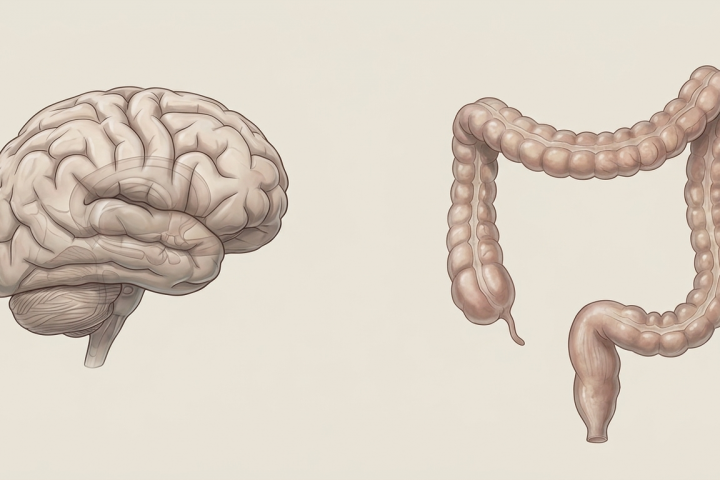
Dysphagia is the medical term for a swallowing disorder, or an impairment/abnormality in the process of swallowing1. Swallowing is not solely a reflex. In truth, swallowing is controlled by areas in the brain, which send signals to the muscles of our face and throat. The brain uses sensory input from these areas as well to help coordinate this pathway. This delicate system requires coordination from almost 30 muscles and multiple nerves2.
We can break swallowing down into two parts – the oral phase and pharyngeal phase. In the oral phase, our teeth and enzymes in our saliva break down food into smaller pieces and our tongue and roof of our mouth, also known as the “palate”, help form the food into a lump or bolus. Muscles in the face and mouth ensure that this bolus is safely held in our mouth until it is ready to be pushed into the throat. During the pharyngeal phase, the back of the tongue and a group of muscles in the throat help push this bolus down the throat, whilst another group of muscles and cartilages safely block off the connected airway, to ensure that food enters the right pipe.
When we have difficulty swallowing, it can present itself in a few ways. Complaints you might notice include:
- Food/liquid is left behind in the mouth or throat
- Fatigue or difficulty chewing
- Food/liquid coming out of the nose
- Choking – partial or full airway obstruction of the upper airway3
- Coughing at meals – Aspiration is defined as any foreign material entering the airway (food, liquid, stomach contents due to reflux, etc.)4. Sensory nerves in the upper airway act like security guards and trigger a cough when they detect something that should not be there. This cough is often violent but for a good reason – the goal is to push this foreign material back up and out of the airway
When this happens infrequently, it is not normally an issue. As we age, our muscles weaken and this can become more frequent. However – it is important to note that this is not a “normal” part of aging and should not be an expected daily occurrence. If you are noticing these concerns, the best course of action is to speak with your family doctor. Be as specific as you can when describing the problem:
- Explain how often this happens (daily, weekly, monthly)
- With what? (Food/liquid/both/after meals)
- Point to where you feel the symptoms
- Are there any strategies you use to resolve it?
- When did it start and is it getting better or worse?
The next step is to have an assessment of your swallow function. Depending on the type of complaints you have, the family doctor may refer you for specific diagnostic tests. These can include Endoscopy, Barium Swallow, Manometery, etc. For swallowing issues primarily involving the esophagus, a gastroenterologist will be involved. Your family doctor may also refer you to a Speech-Language Pathologist. This assessment looks more closely at the mouth and throat. They can use imaging called a Videofluorscopic Swallow Study and/or Fiberoptic Evaluation of Swallowing (FEES). Imaging is often done after an in-person consultation. Referrals to other specialists (eg. gastroenterologist, neurologist, ENT) may also be required. Getting an assessment is important as dysphagia can be an indicator of a larger problem. If changes to your swallow function are sudden and drastic, you should see your family doctor or go to the ER.
It is especially important to remember that dysphagia does not typically happen in isolation and the cause should always be evaluated. There are some common sources of dysphagia. The first is due to a structural problem5. If there is any change to the anatomy of the mouth or throat, this can result in changes to swallow function. This can include masses, tumours, diverticulum, etc. The second group is “iatrogenic” – which is dysphagia due to consequences of other treatments6. This can include radiation side effects, medication side effects, or surgical causes. The third source is neurologic– causes which are related to the brain and nerve function7. This may include a stroke, brain injury or neurologic diseases (Parkinson’s, multiple sclerosis, ALS, dementia, etc). Dysphagia evaluation is important as it can bring light to an underlying condition or problem. The cause of your dysphagia will also determine which medical speciality will work closely with you.
Several medical problems can arise from dysphagia such as unintended weight loss, reduced quality of life and socialization difficulties. A more severe consequence is pneumonia. When food or liquid enters the airway, it can take bacteria with it from the mouth. This can put certain groups of individuals at risk for developing pneumonia. Those who are at a greater risk include individuals with8:
- Limited mobility/bed bound
- Poor oral hygiene practises
- Compromised immune system
- Oropharyngeal dysphagia
- Neurologic/GI disorder
- Advanced age and/or frailty
Once the source of the dysphagia has been determined, your team of specialists can work with you to manage the disorder. Knowing the source is critical to receive the right type of management plan. For instance, if the source is due to a sudden neurological problem, like a stroke, swallow function can be rehabilitated with targeted therapy. If the source is progressive or structural, sometimes modifications to diet texture/food preparation are required and continued follow-up is needed.
Sources
1. https://doi.org/10.1016/j.nmd.2020.11.001
2. https://www.ncbi.nlm.nih.gov/books/NBK541071/
3. 4. https://www.ncbi.nlm.nih.gov/books/NBK499941/
5. 6. 7. https://www.ncbi.nlm.nih.gov/books/NBK541071