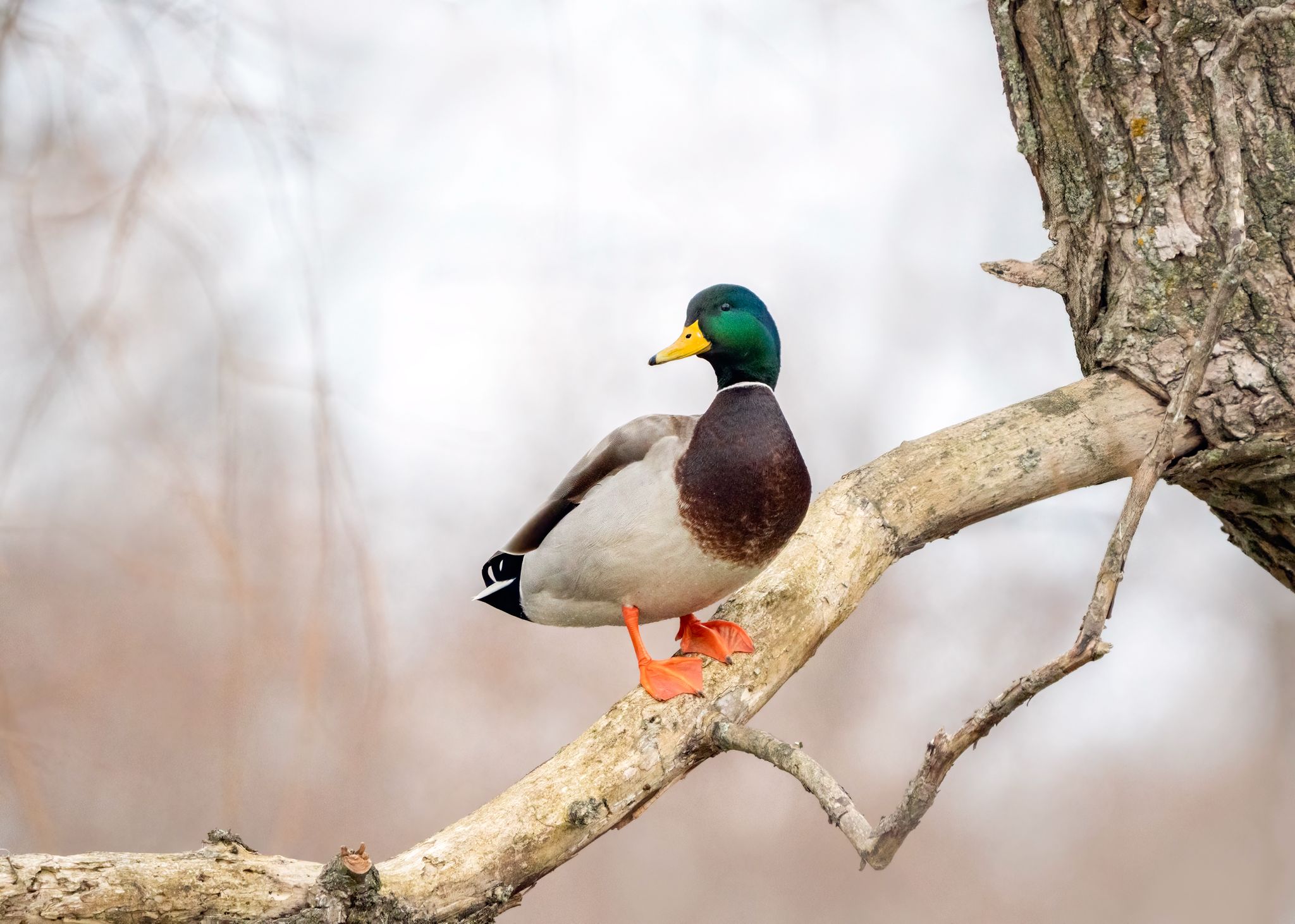
Any non-domesticated animals, whether they are on land, in the air, or in bodies of water, fall under the umbrella term of wildlife. This includes animals that range from mammals and birds to reptiles, fish, and marine species. These animals occupy diverse ecosystems such as forests, deserts, oceans, rivers, and even urban environments, where they have adapted to human activity.
Unlike domesticated animals, wildlife survives by relying on natural behaviours such as hunting, foraging, migrating, and reproducing without human management, playing essential roles in maintaining ecological balance and biodiversity.
Wildlife in Canada
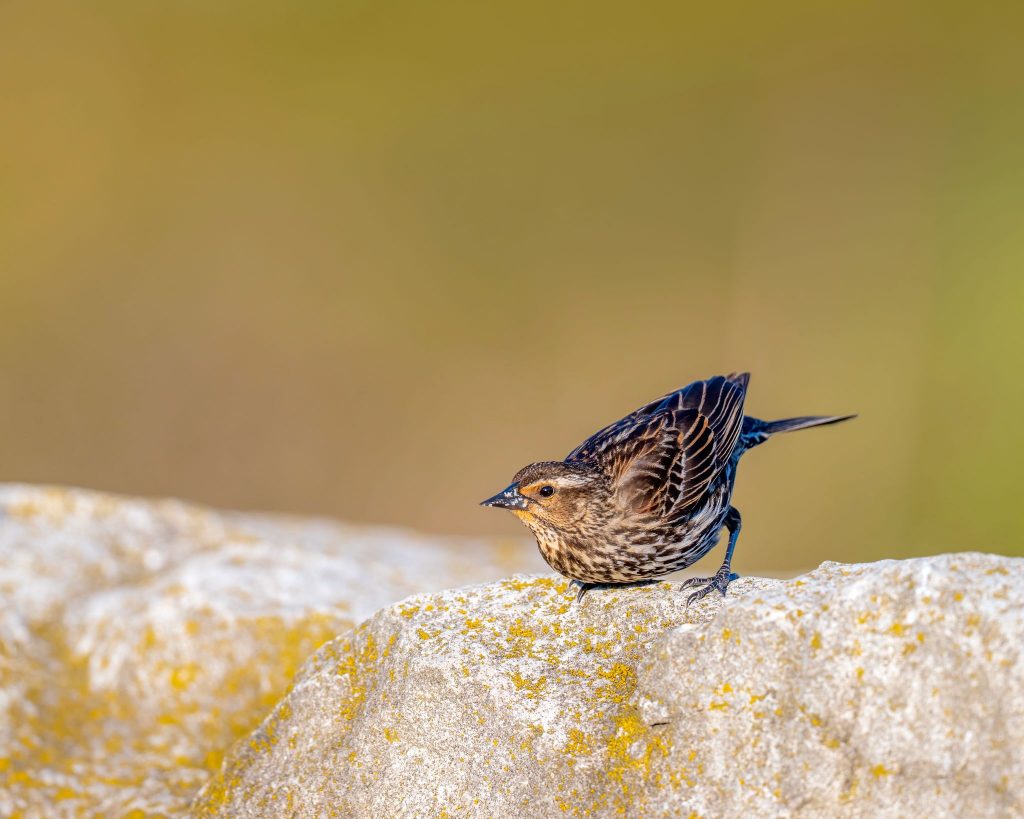
Canada has extremely diverse wildlife populations. In general, there are over 80,000 species of animals, including birds, land animals and aquatic animals. When talking about wildlife, people most commonly associate the term “wildlife” with bears, deer, wolves, coyotes, eagles, owls and more. Urban environments are home to a wide variety of creatures. In fact, animals such as raccoons, squirrels, foxes, doves, sparrows, pigeons, and even hawks can all be found in our cities, adapting to and thriving in the spaces we have created. These animals have inhabited land for thousands of years, long before human settlements were established. In many ways, we have built our homes and communities on land that once belonged to the wildlife. As a result, our presence in urban spaces has had a profound impact on their natural behaviours and survival. The way we interact with the wildlife around us can either help preserve their existence or contribute to their decline. As responsible citizens, it is our duty to minimize our impact on the lives of these animals. The most effective way to ensure harmonious co-existence with wildlife is by refraining from altering their natural behaviours.
This can be achieved through five key practices:
● Preventing problems before they start
● Avoiding feeding the wildlife
● Keeping a safe distance
● Refraining from disturbing or handling them and
● Not scaring them away unnecessarily
By understanding the importance of these actions, we can help create a safer environment for both ourselves and the wildlife we share our cities with.
Preventing problems before they start
To prevent wildlife issues before they begin, it’s important to make your home less attractive to animals. Properly secure garbage, clean up fallen fruit, and keep pet food indoors to avoid drawing wildlife. Closing openings in roofs, vents, and crawl spaces can stop animals from gaining access and nesting. Using barriers like fencing or netting, along with motion-activated lights or sprinklers, can also help protect gardens while discouraging animals in a humane manner.
Avoid Feeding Wildlife
Feeding wildlife is one of the most common ways humans inadvertently create conflict with the environment. While it might seem like a kind gesture to offer food to an animal in need, the consequences of feeding wildlife can be severe and long-lasting. Wildlife has evolved to eat food that is found in nature, in their environment, whether that be fruits, berries, small rodents, or plants. They rely on these items for proper nutrition and to maintain their health. However, when we feed them human food, such as processed snacks, bread, or even leftovers from our meals, we disrupt their natural diets.
Human food does not provide the necessary nutrients that these animals need to survive. In fact, it can often be harmful, leading to malnutrition, obesity, and digestive issues. Furthermore, by providing food that is not part of their natural diet, we may cause them to abandon their typical hunting or foraging behaviours, making them increasingly reliant on human handouts. This dependency can lead to dangerous situations, as animals that rely on humans for food are more likely to approach people, leading to potential conflicts or even attacks in extreme cases.
For example, in winter, some people feed apples and carrots to deer. Although well-intentioned, this can be deadly. During winter, deer survive on tree bark and dry grasses. While their digestive system adapts to the modified diet, it lacks the necessary bacteria required to digest food, like apples or carrots. As a result, deer may starve, even after eating, as their stomach cannot properly digest the food.
Additionally, feeding wildlife can put them at risk of becoming more vulnerable to predators. When animals lose their fear of humans, they may wander into more dangerous areas, such as busy roads or areas with greater predator activity. Instead of supporting their survival, we may be inadvertently putting them in harm’s way.
Refrain from interacting with wildlife
Most people interact with wildlife, thinking they are helping it. However, they are inadvertently harming the wildlife.
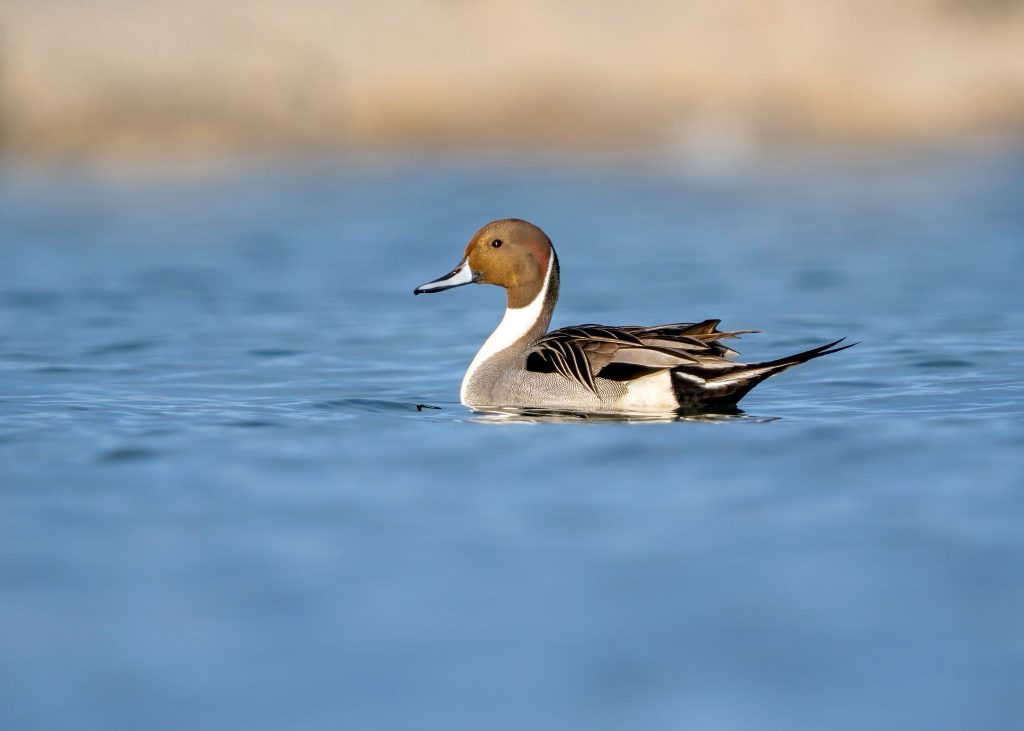
In case interaction with wildlife is inevitable, here are some points to consider:
- While it may seem tempting to pet a cute raccoon or pick up an injured bird, doing so can have serious consequences for both the animal and you. Wild animals, no matter how tame they may appear, are not domesticated and can carry diseases that can be transmitted to humans. For instance, diseases like rabies and leptospirosis are often carried by wildlife and can be transmitted through bites, scratches, or even by coming into contact with their urine or saliva.
- In addition to the risk of disease transmission, touching wildlife can cause significant stress to the animal. Wild animals are not accustomed to human touch and may view it as a threat. This stress can lead to injury or even death, especially if the animal becomes disoriented or fails to return to its natural habitat. In the case of younger offspring, handling them can be even more detrimental. Mothers may abandon their young if they sense human scent on them, leaving the animals without care and protection.
- Touching or handling wildlife interferes with their ability to remain independent and self-sufficient. Wild animals are meant to live without human intervention, and when we step in, we disrupt their natural behaviour. This can lead to long-term consequences for their survival.
Abstain from Scaring or Intentionally Hurting Wildlife
Many people perceive wildlife in urban environments as a nuisance or even a threat, and as a result, may attempt to scare animals away. While this reaction is often unnecessary, there are situations in which deterring wildlife is appropriate for safety reasons. For example, coyotes that approach people too closely can pose a risk to humans and their pets, particularly small dogs.
In such situations, people should not run, as fleeing can trigger a coyote’s predatory instincts and increase the likelihood of being attacked. Instead, individuals are advised to stand tall, raise their arms to appear larger, and make loud noises to discourage the animal. Chasing wildlife, throwing rocks, or using harmful deterrents such as fireworks or air horns should be avoided, where possible.
Although these deterrent behaviours may be necessary in certain circumstances, they can cause significant stress to wildlife and may lead to unintended consequences.
Animals that are frightened may flee into dangerous situations, such as crossing busy roads or encountering predators. They may also become disoriented or injured in the process. Additionally, constant harassment from humans can lead to long-term behavioural changes in wildlife, making them more aggressive or fearful of people. This can further disrupt the balance between humans and animals in urban environments.
Rather than scaring animals away, we should respect their presence and allow them to move freely through their environments. By observing wildlife from a safe distance and refraining from disturbing them, we can minimize their stress and help maintain their natural behaviour. In some cases, if wildlife poses a direct threat to public safety, it may be appropriate to contact local authorities or wildlife rescue organizations, who are trained to handle such situations safely and humanely.
Living in harmony with Wildlife
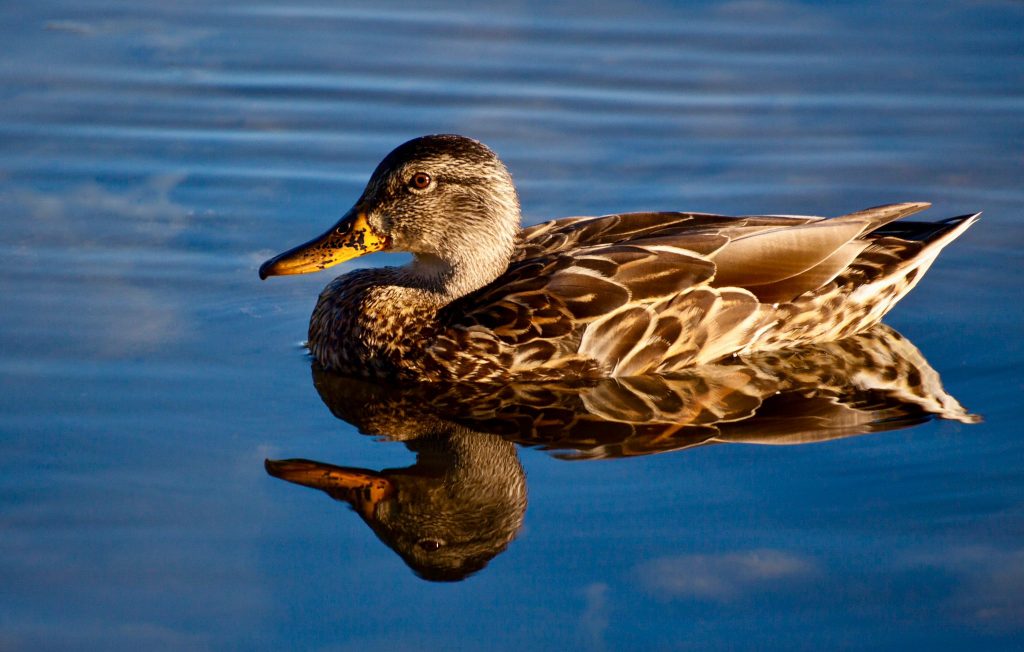
In urban environments, wildlife is an integral part of the ecosystem, and our interactions with these animals should be approached with care and respect. By abstaining from feeding, touching, and scaring wildlife, we can help minimize our impact on their natural behaviours and ensure their continued survival in our cities. While it can be exciting to encounter wild animals, it is important to remember that they are not pets or creatures to be controlled. They are living beings that have evolved to thrive in their natural habitats, and it is our responsibility to co-exist with them in a way that allows them to flourish.
Always keep an eye on your pets when they are outside so they don’t chase or get hurt by wild animals. Make sure their vaccinations are up to date to protect them from diseases that wildlife can carry. This helps keep your pets safe and healthy.
As citizens of urban communities, we must recognize that the land we live on is shared with countless species, and their right to live and thrive is just as important as our own. By taking simple steps to respect wildlife and their natural behaviours, we can foster a safer and more sustainable relationship with the creatures that call our cities home.
The best way to encounter wildlife is by abstaining from altering their behaviour. This can be done through the refrainment of feeding, touching, and scaring away wildlife.
When Not to Intervene
If an animal looks injured or orphaned, don’t handle it yourself—call a local wildlife rescue or animal control. Most animals are protected by law, so relocating or harming them can be illegal.