At the far edge of North America, where the first light of dawn brushes the continent awake, two lighthouses stand watch. One is built of stone and timber, its beam cutting through fog and storm. The other is built of prayer and prophecy, its light carried in the hearts of a small but steadfast community. Both rise from Newfoundland’s rugged coast, and together they tell a story of geography, destiny, and a promise that travelled farther than anyone could have imagined.
To understand the weight of this story, one must first understand the land on which it unfolds.
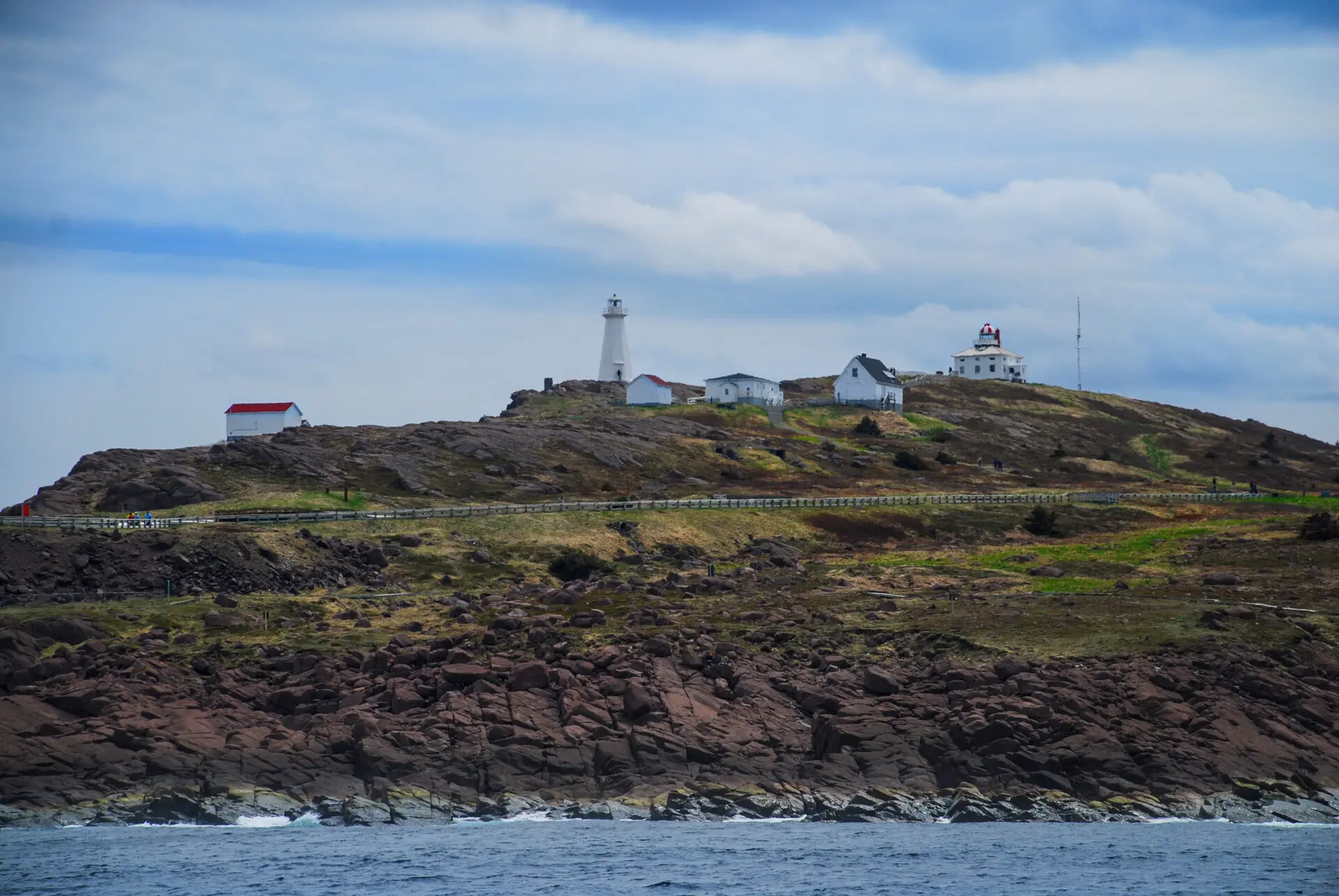
Cape Spear is not merely a scenic lookout; it is a geographical landmark of continental significance. Located just south of St. John’s on the island of Newfoundland, the easternmost province of Canada, it is widely recognized as the easternmost point of North America, the first place on the continent to greet the sunrise each morning. The land juts into the ocean like a stone finger pointing toward Europe, standing firm against winds that have shaped its cliffs for millennia.
Atop this rugged headland stands the Cape Spear Lighthouse, built in 1836, the oldest surviving lighthouse in Newfoundland and Labrador. For generations, its beam has pierced through fog and storm, guiding sailors safely to shore. Its presence on this edge of the world symbolizes vigilance, endurance, and the human need for guidance in the face of vast uncertainty.
A small academic debate occasionally arises over whether Greenland’s Cape Nordostrundingen lies farther east. But this argument rests on geological classification rather than cultural or political geography. The overwhelming majority of authoritative sources, Parks Canada, Natural Resources Canada, the National Geographic Society, the Government of Newfoundland and Labrador, and Encyclopaedia Britannica, all identify Cape Spear as the easternmost point of North America in the continental and cultural sense.
This distinction matters. When people speak of North America, they speak of Canada, the United States, and Mexico, not the ice‑covered expanses of Greenland. Under this universally accepted definition, Cape Spear stands uncontested as the continent’s easternmost edge.
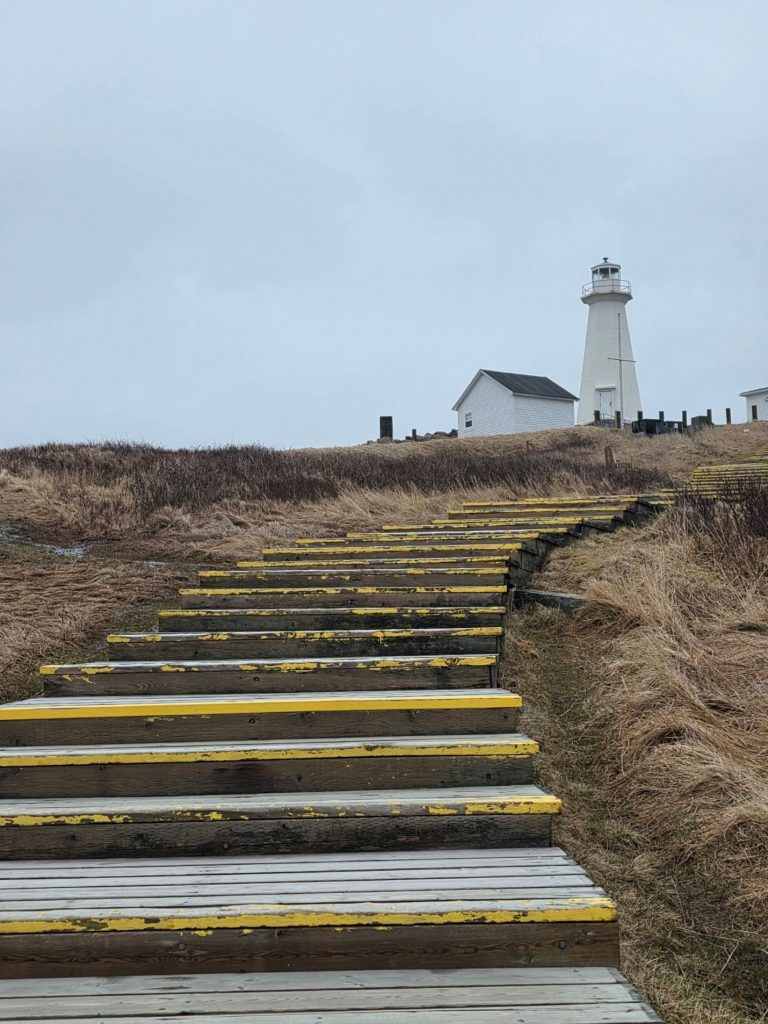
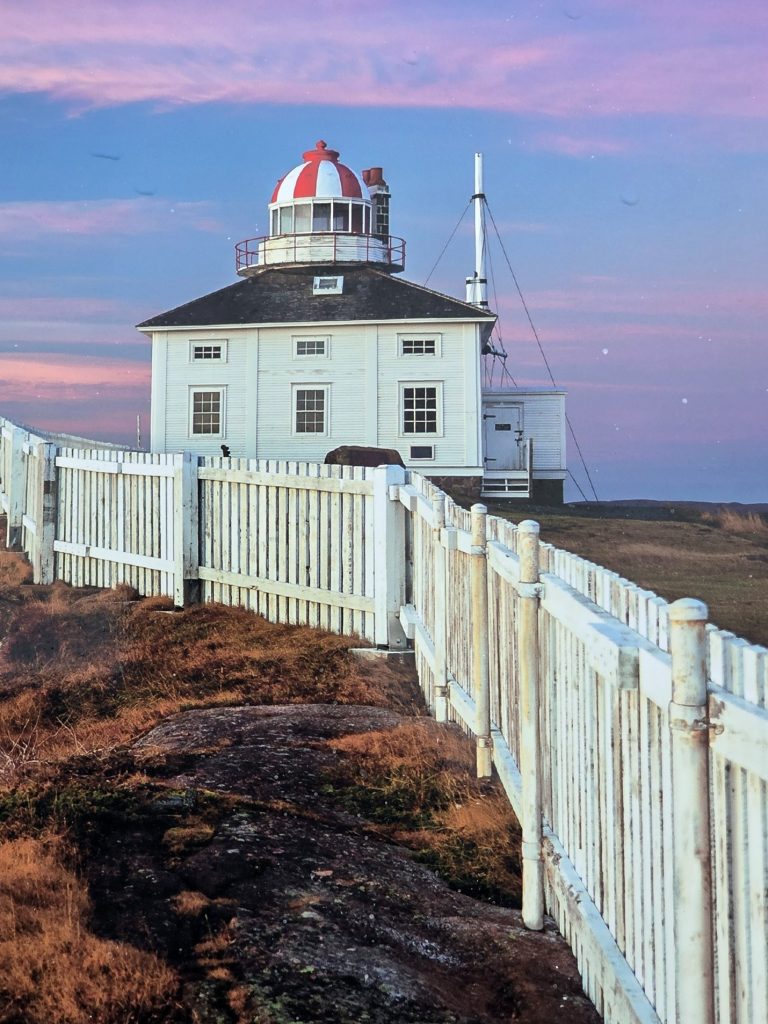
And it is precisely this edge, this meeting point of land, light, and limitless ocean, that gives Cape Spear its profound symbolic power. For if a message has reached this point, it has reached the very boundary of the continent. If a community has taken root here, it has taken root at the farthest corner of the Western world.
From this geography, the prophecy begins to unfold.
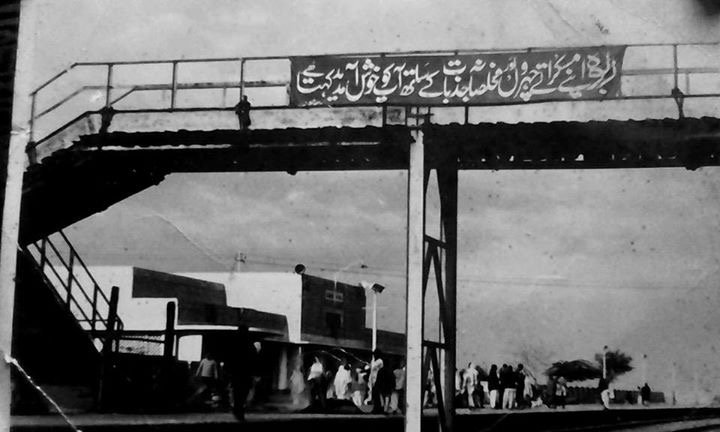
In 1898, in the quiet village of Qadian, Hazrat Mirza Ghulam Ahmad(The Promised Messiahas)), received a revelation whose scope defied the imagination of his time:
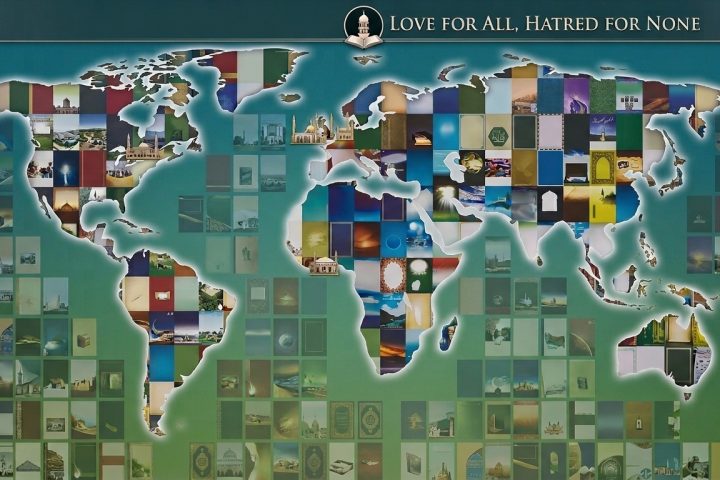
“I shall cause thy message to reach the corners of the earth.”
It was a declaration made long before airplanes, radio waves, or global migration would shrink the world. Yet it carried within it a divine certainty, that a message born in a remote corner of India would one day touch the farthest edges of the earth, places The Promised Messiahas himself would never physically see.
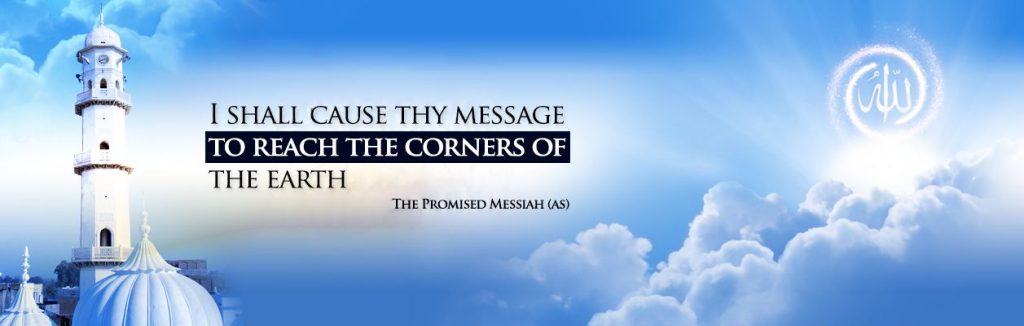
More than a century before a single Ahmadi ever stood on these cliffs, a voice in Qadian had already proclaimed that his message would reach the corners of the earth. Now, on this eastern edge of North America, two lights rise: one of stone guiding sailors through the Atlantic, and one of spirit, Baitul Ehsan Mosque, guiding souls toward their Creator.
Thus, when one stands at Cape Spear and watches the first light of dawn rise over the Atlantic, one witnesses more than a sunrise. One witnesses a promise fulfilled, a message that has travelled across oceans, across generations, and across the vast sweep of history to shine on this rugged coast.
The story of how this spiritual lighthouse came to shine in Newfoundland is one of quiet perseverance and divine grace, a narrative far richer than can be captured here. Its full telling, insha-Allah, is a chapter for another day; for now, we offer only a brief glimpse of its beginnings.
The history of Ahmadiyyat in Newfoundland stretches back to the 1990s, when a few Ahmadi Muslim families began moving in and out of the province for work and study. Among them was a young Ahmadi, Mansoor Ahmad Khan of Peshawar, who arrived as a student at Memorial University of Newfoundland (MUN) in late 1997 and, by the grace of Allah, still calls Newfoundland home today. His presence became a steady anchor for the Jamaat in a place where Ahmadis were few and far between, and where the nearest missionary was hundreds of kilometres away in another province.
Over time, more families arrived, each one adding a new thread to the fabric of the community. What began as a handful of believers gradually grew into a small but devoted Jamaat, united by faith and strengthened by the challenges of living in one of Canada’s most isolated regions. Today, Fifteen Ahmadi Muslim families live across Newfoundland, each one a living testament to the prophecy revealed in 1898.
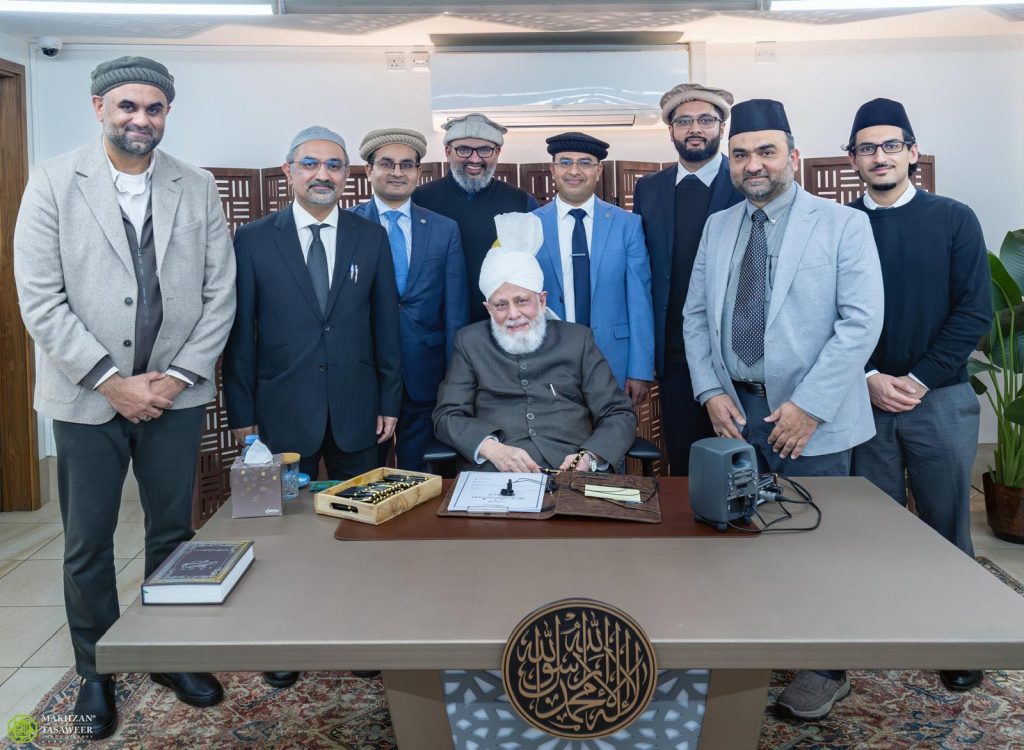
Then, in 2019, Allah bestowed a remarkable blessing: the establishment of Baitul Ehsan Mosque, the first Ahmadiyya mosque in Newfoundland. For a province where the Jamaat had once gathered in living rooms and rented halls, this mosque became a symbol of permanence, progress, and divine favour, a spiritual lighthouse raised on the continent’s edge, echoing the very prophecy that brought this community here.
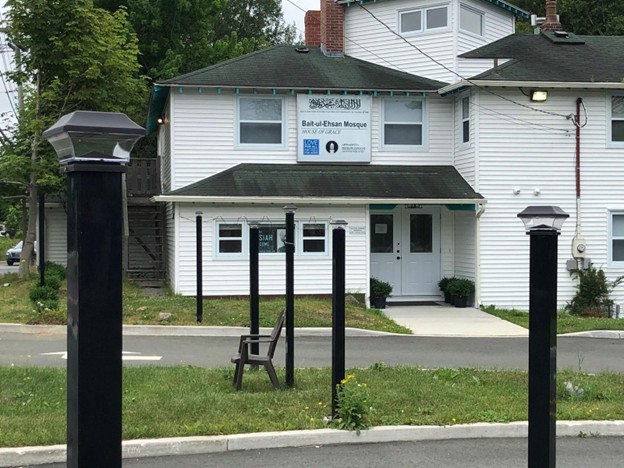
In 2021, another milestone was reached. For the first time in history, Newfoundland received its own stationed missionary, dedicated solely to serving this province. Before this, a single missionary was responsible for all four Atlantic provinces, travelling thousands of kilometres to support communities spread across vast distances. The appointment of a resident missionary, under the guidance and prayers of Khilafat, marked a new chapter of growth, stability, and renewed commitment to tabligh and tarbiyyat in Newfoundland.
Today, these fifteen families, their mosque, and their missionary stand as quiet but powerful signs that even here, at the edge of the continent, the promise still shines. In their prayers, their service, and their steadfast presence, they embody the quiet miracle of a prophecy unfolding one sunrise, one soul, one coastline at a time.
And so, at the far eastern rim of North America, where the continent meets the open Atlantic and the first light of dawn breaks upon its shores, two lighthouses continue their vigil. One stands upon the cliffs of Cape Spear, its beam cutting through wind and storm as it has for generations. The other stands in the hearts of a small but steadfast community, its radiance shaped not by stone or timber, but by prayer, sacrifice, and a prophecy spoken more than a century ago.
Together, these two lighthouses, one physical, one spiritual, testify to a remarkable truth: that no corner of the earth is beyond the reach of divine promise. What began as a distant revelation in Qadian now lives, breathes, and shines on the easternmost edge of the Western world. In the homes of fifteen families, in the walls of Baitul Ehsan Mosque, and under the guidance and prayers of Khilafat, the light continues to spread steady, humble, and enduring.
Here, at the continent’s threshold, the prophecy does not merely echo; it stands fulfilled. And as long as these two lighthouses remain, one guiding ships, the other guiding souls, the story of Newfoundland will continue to illuminate the promise that travelled across oceans, across generations, and into the hearts of those who now call this rugged island home.